2025 Retrospective In Which Games Are Renamed
More Of The Same
In my last retrospective I talked about developing Ephemeris and learning Blender, those have continued to be the dominant themes for 2025 too.
Ephemeris Kessler: Orbital Warfare
Ephemeris Kessler: Orbital Warfare is a realistic simulation of near-future space combat. If this sounds like something you’d be interested in playing, come and chat with us on Discord!
I’ve been calling this idea “Ephemeris” for years, this was only ever a working title and it was always my intention to come up with a new name eventually. Unfortunately another game named Ephemeris was released this year and that forced me to come up with something. I’ve settled on Kessler: Orbital Warfare.
I have been keeping daily notes on progress since mid 2024, and I intend to keep doing this. You can find the 2025 notes here. Personally I’ve found taking notes like this has three primary benefits, in order of importance:
- On days when I’m feeling like I haven’t achieved much I can look at the huge list of work achieved recently and realise that I am actually making good progress. This *really helps with motivation.
- Since I write down everything that I do, I have become much more aware of what work is involved in a project. This really helps me estimate the scope of work in advance, and correctly estimate how long it will take.
- When working on a system that I haven’t touched for a while, all of the notes are still there. For me this is the last important point because my notes aren’t well structured as documentation, and I very heavily comment my code so that’s usually a better reference.
- It makes writing the next section of this post is much easier!
2025 Progress
I’ve made some great progress in 2025, each of these items probably represents around 2 weeks work with many smaller items getting done along the way:
- Selected multiplayer framework (Mirror)
- Multiplayer lobby system
- Multiplayer entity management (spawning/destruction)
- Orbital data sync over the network
- Multiplayer time control
- UI development (building core UI code)
- Physics sim for thermals
- Tactical view
- Core systems simulating sensors
- AESA RADAR sensor, using this system
- Bullet simulation (capable of simulating tens of thousands of bullets)
- Bullet rendering
- Core systems for collision detection (Octree, Sweep & Prune)
- Multiplayer sync for bullets
- Deep research on armour damage models
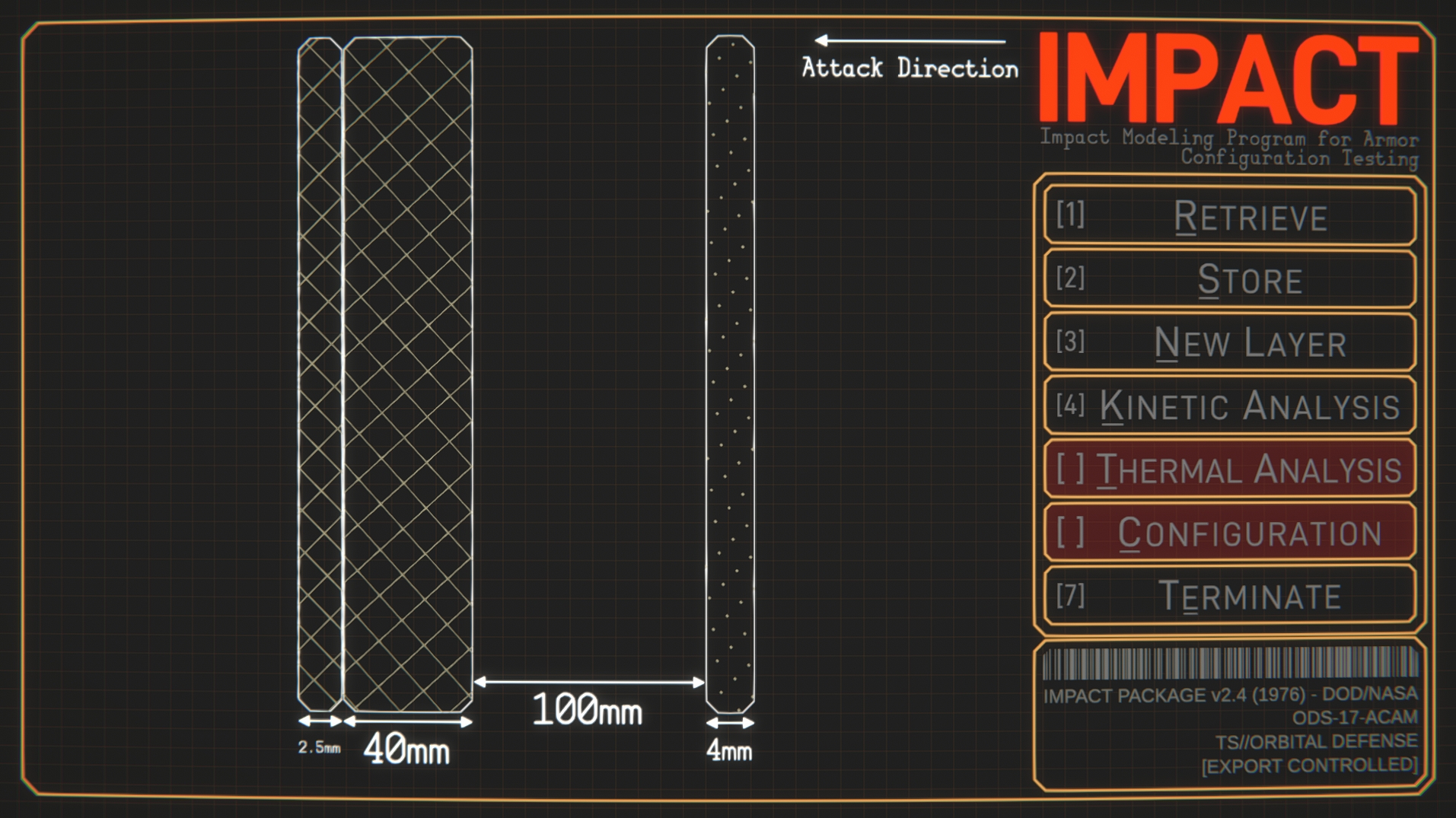
- Built armour designer minigame (IMPACT). More on this below.
- Clicking on orbits
- Core systems for HUD
- Engine burn gizmo (like the KSP manoeuvre node gizmo)
- Scheduling engine burns using gizmo
Overall I’m incredibly happy with progress in 2025! For years I have been working on building out a lot of bits of technology that I knew I would need for a realistic space game; full scale solar system simulation, rendering of planets, n-body orbital integration, rendering lines etc. This year it feels like that has changed - many of the features I listed above were building on top of that core tech, it feels like I’m finally building a game instead of a space-game-engine. I think that trend is going to continue in 2026, lots of plumbing together existing features into a game.
2026 Goals
My major milestone goal for this year is to release an alpha version of the game with basic multiplayer orbital combat in the first half of 2026. If you’re interested in playing that alpha, join us on Discord!
IMPACT Minigame
In previous years I’ve taken part in the CYLON gamejam and I’ve built some games I’m really proud of (see my games list). Unfortunately the CYLON community was based around a game called STARBASE which has died, and CYLON has died with it. I decided to work on a minigame for a month instead.
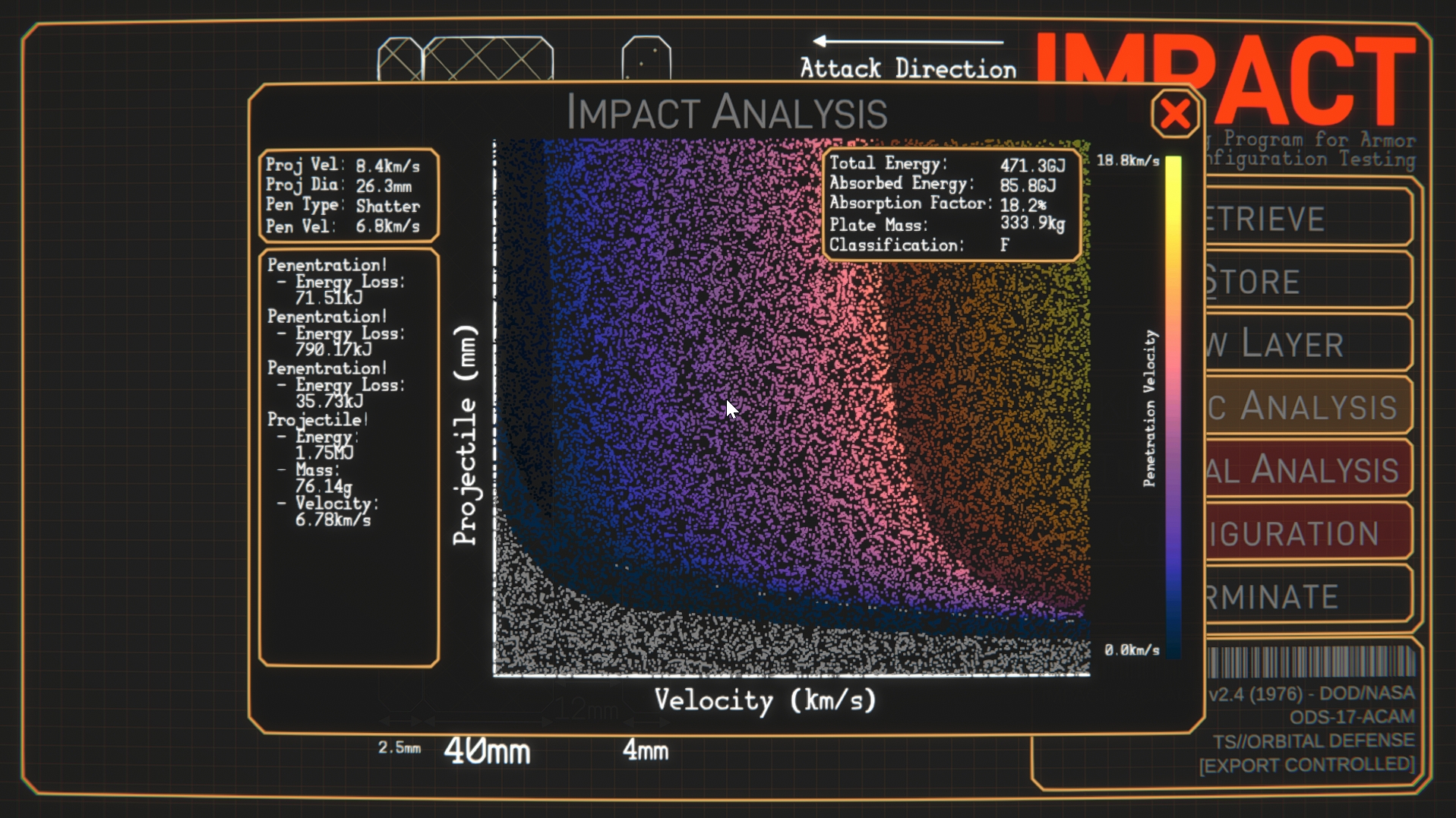
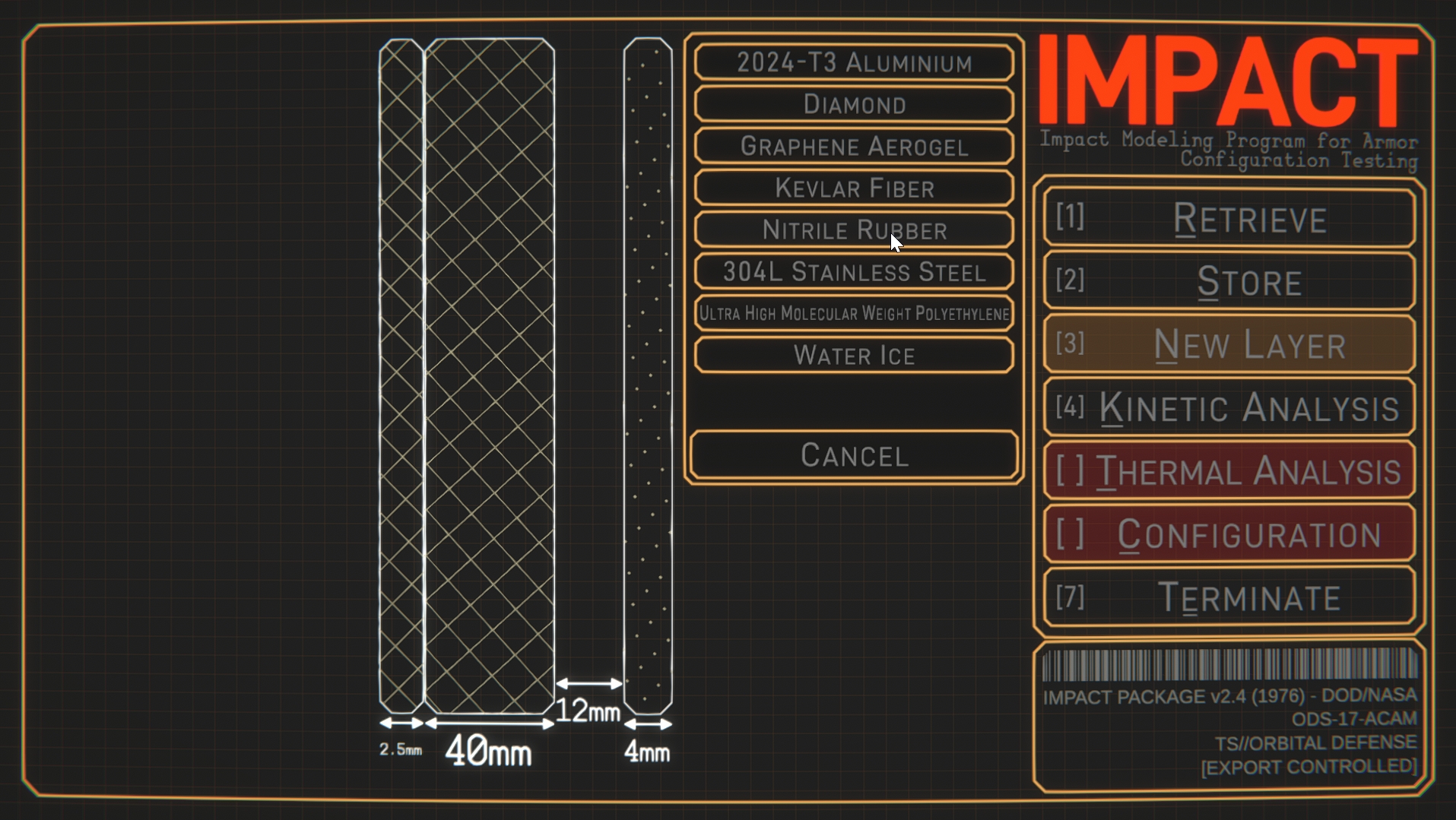
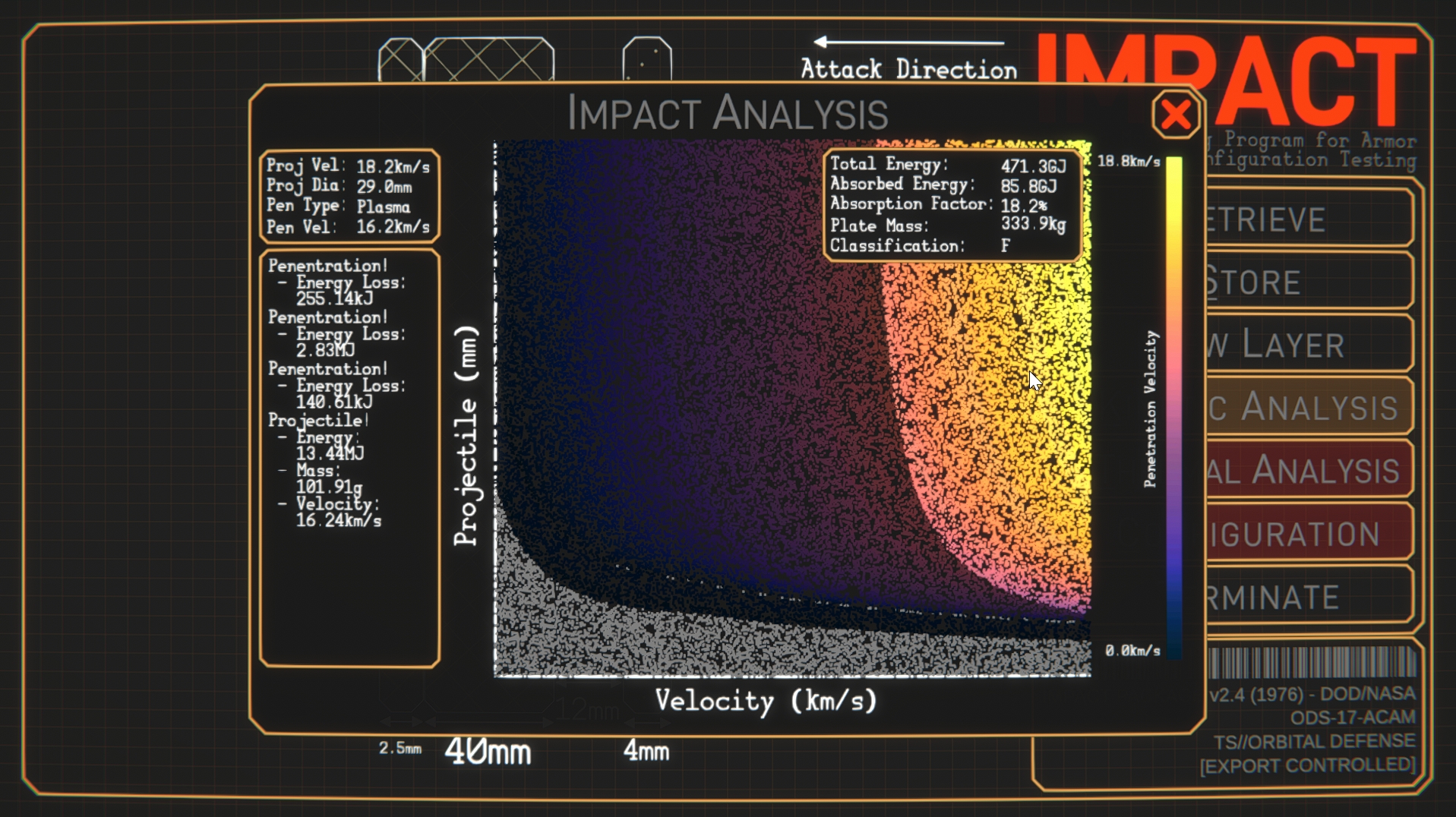
IMPACT (Impact Modelling Program for Armor Configuration Testing) is a spacecraft armour design and test program, styled as an alt-history 1970’s joint DoD/NASA program to develop armour for orbital warships. the game is available to download for free here. Join us on Discord to show off your designs!
This is based on the research I did into the physics of hypervelocity impacts in September and uses the damage model I have developed for Kessler.
Blender
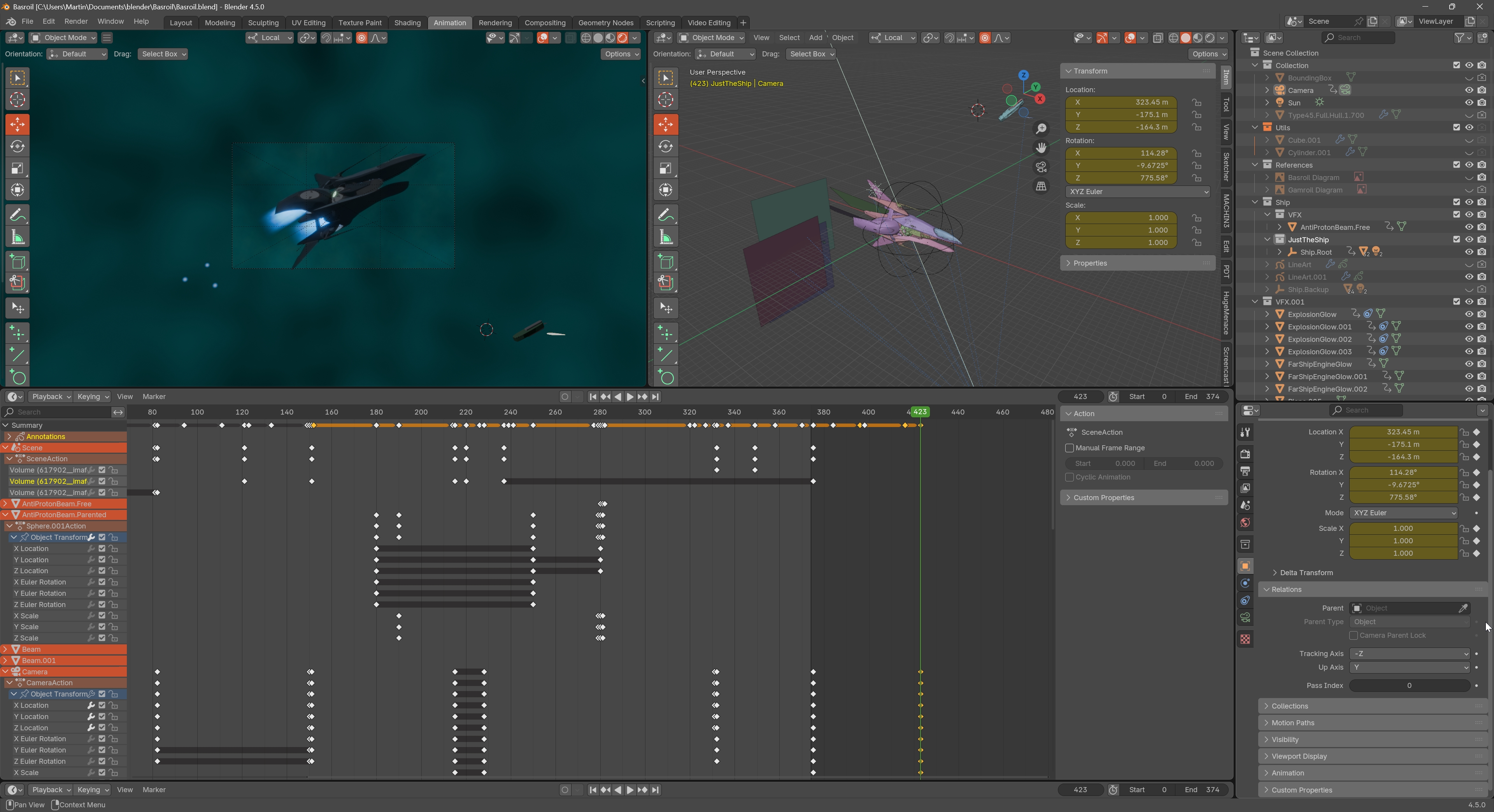
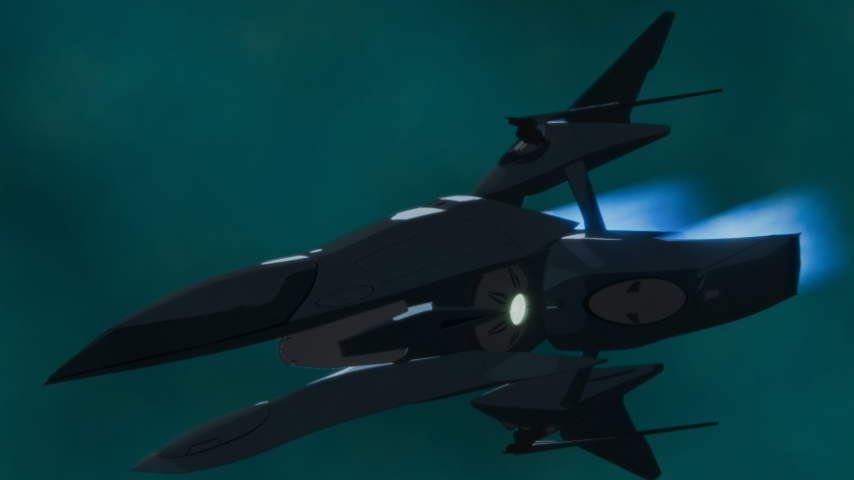
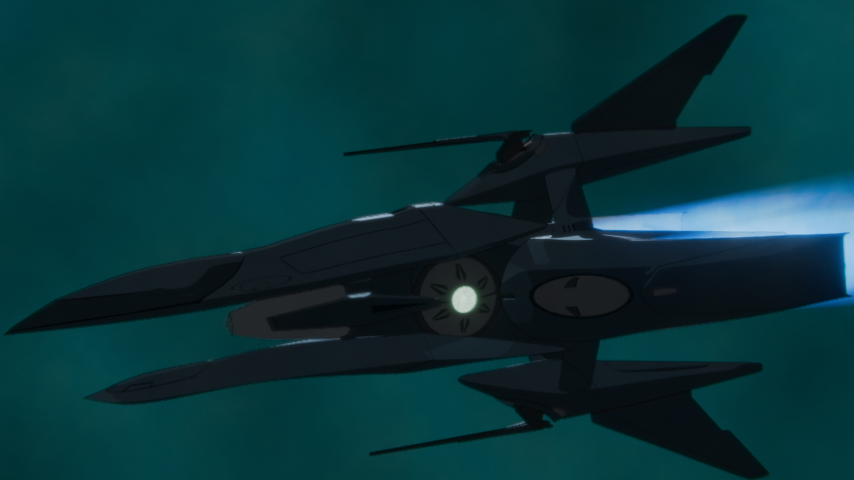
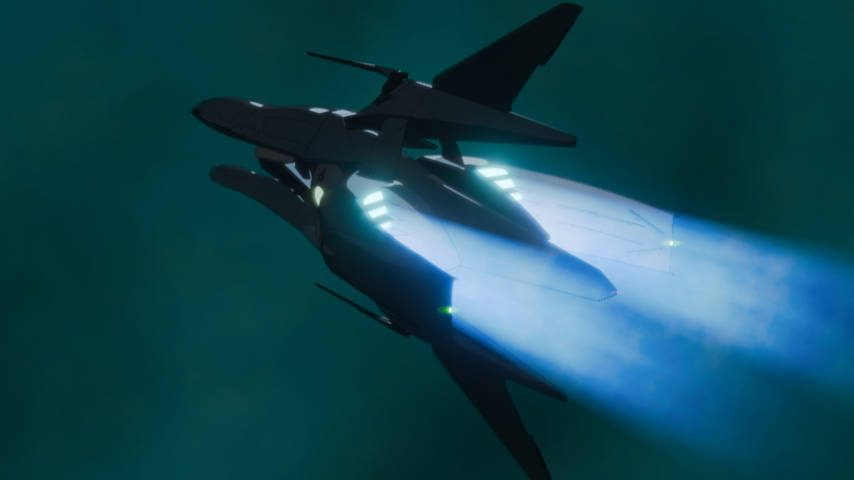
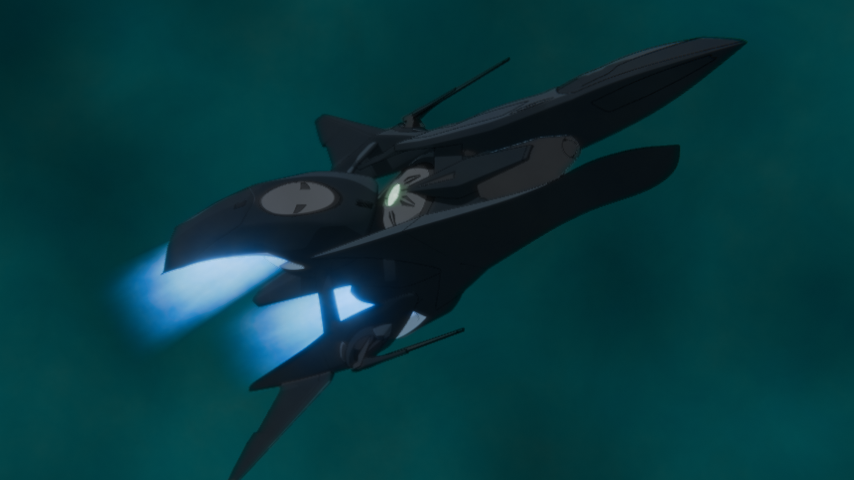
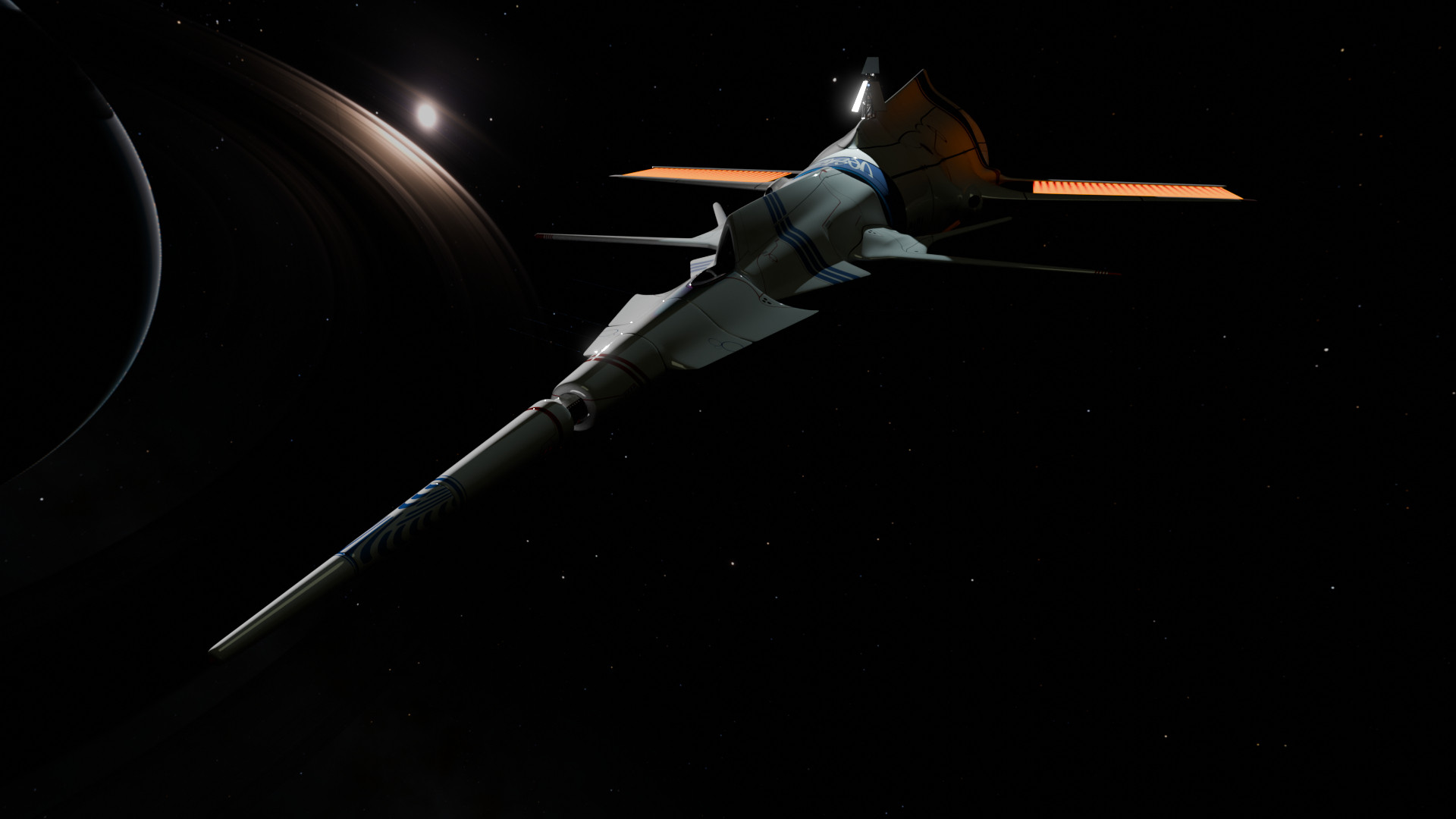
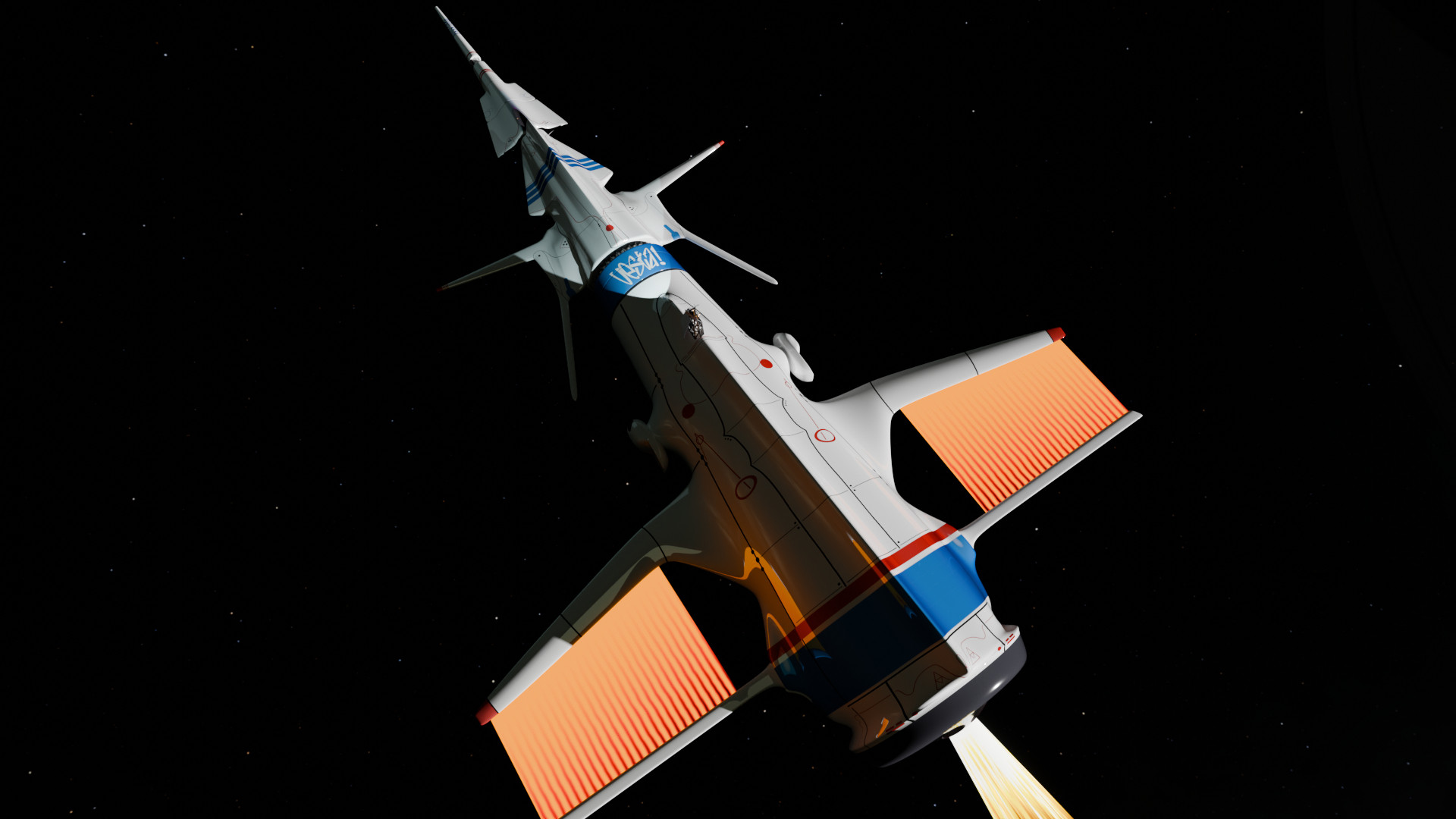
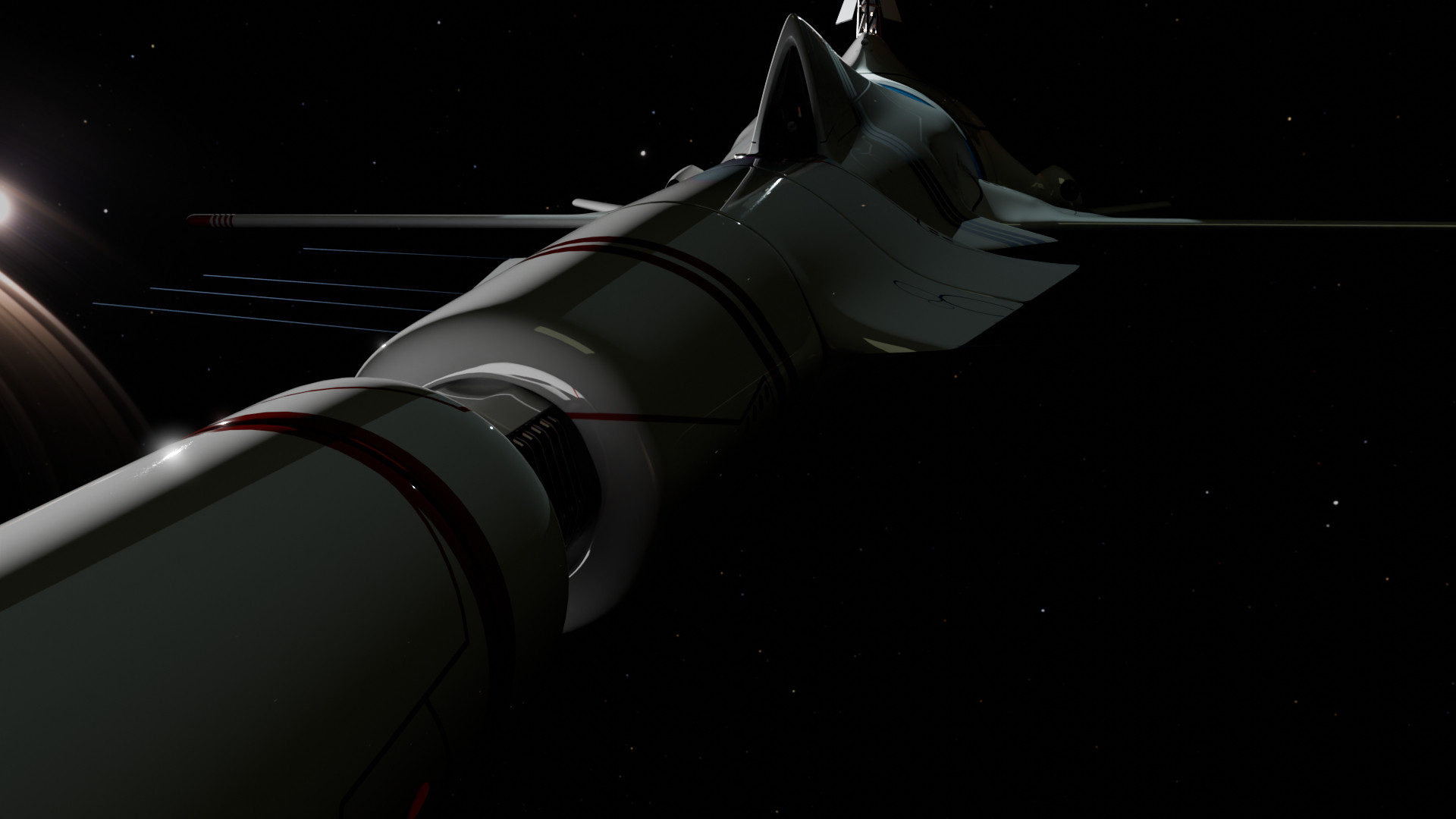
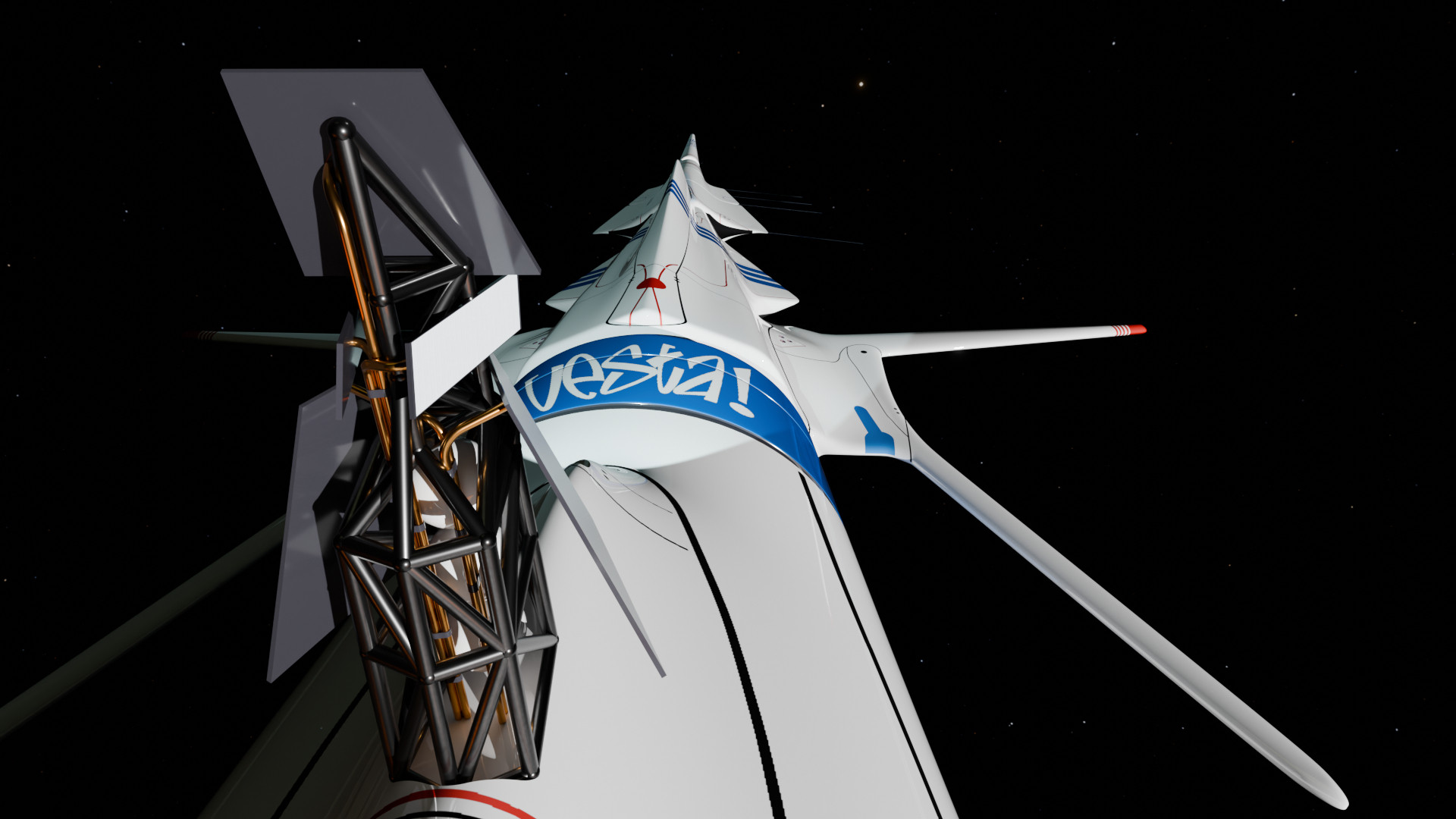
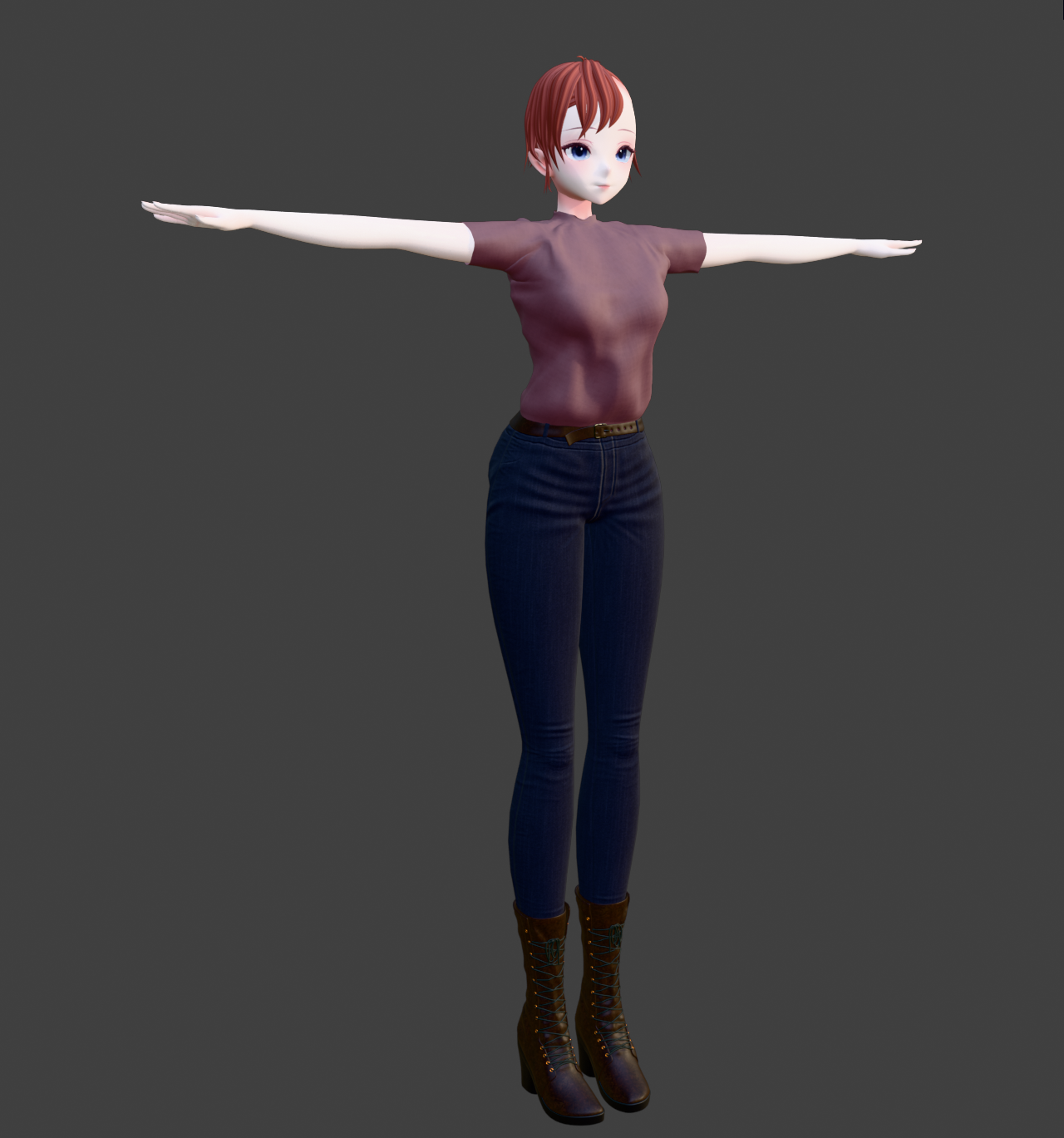
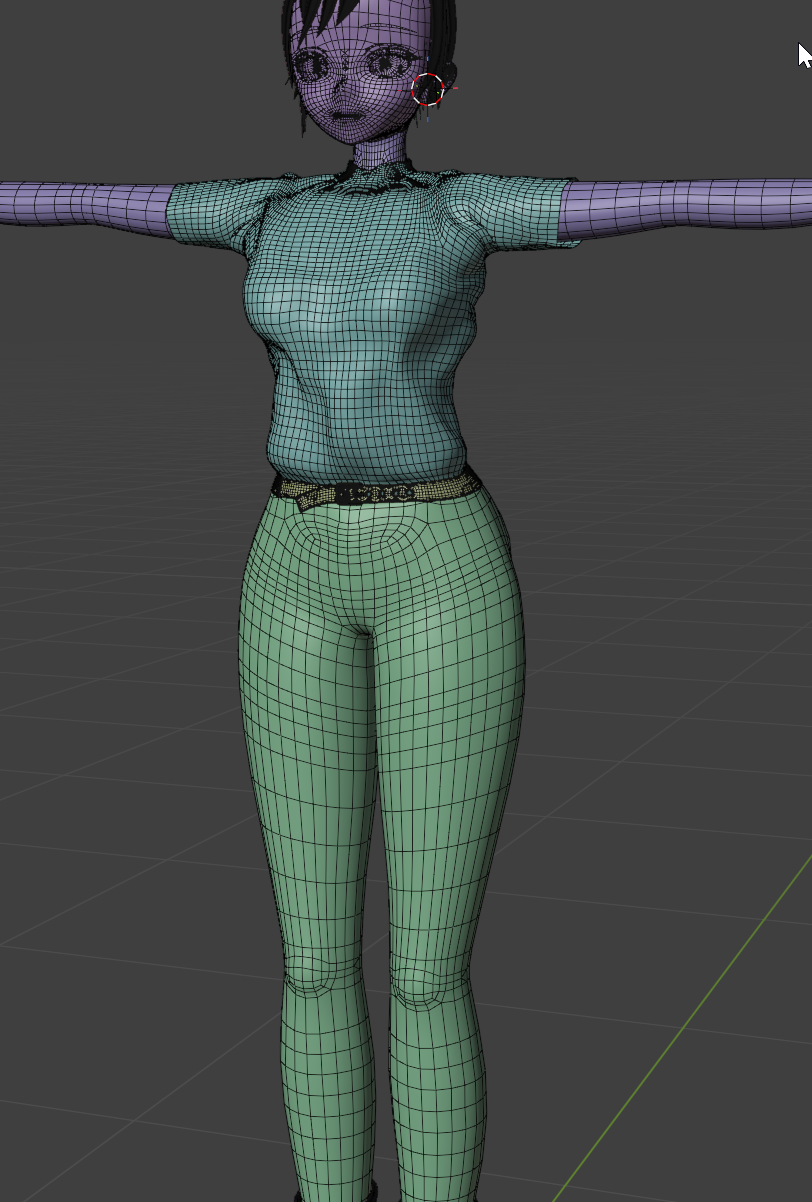
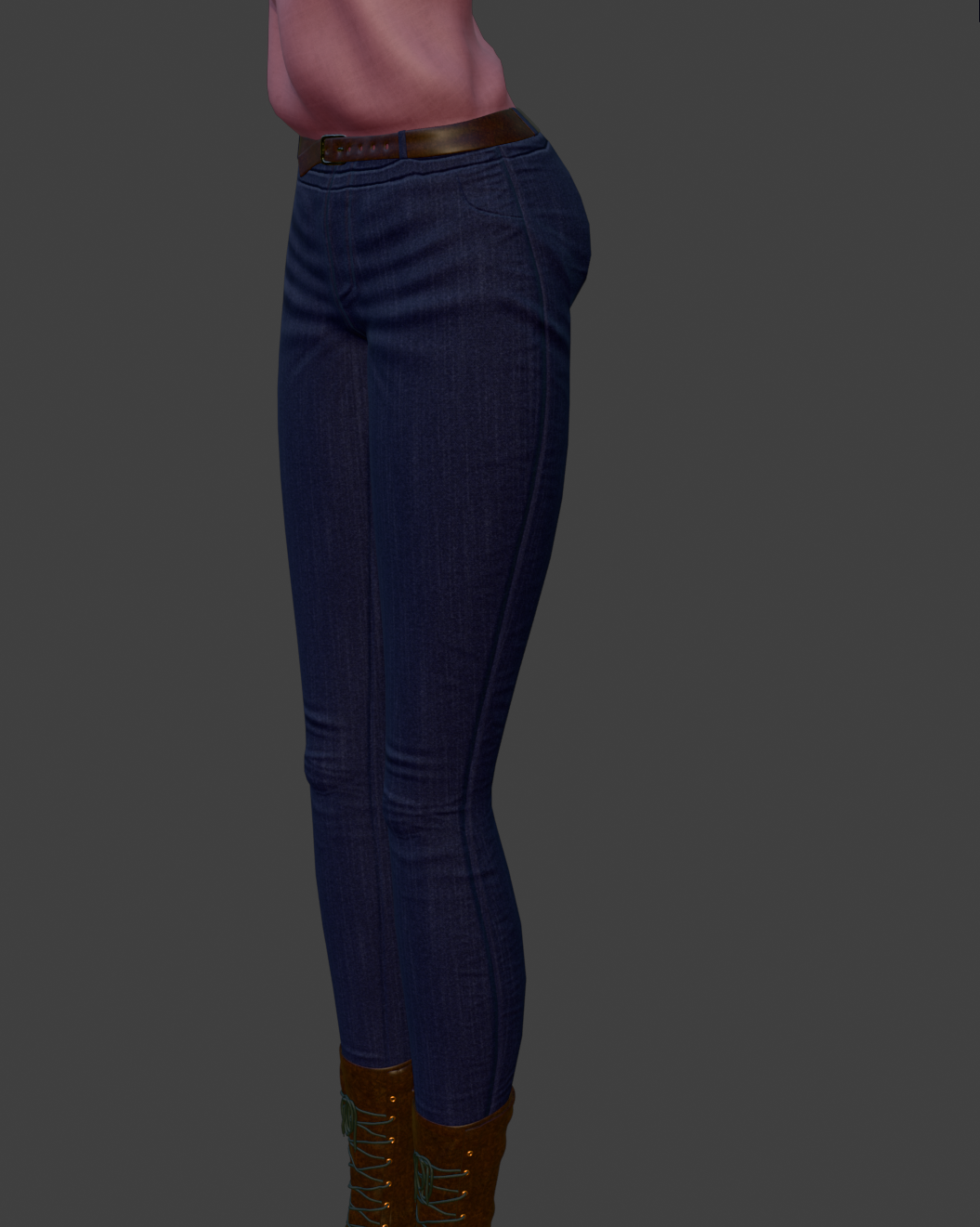
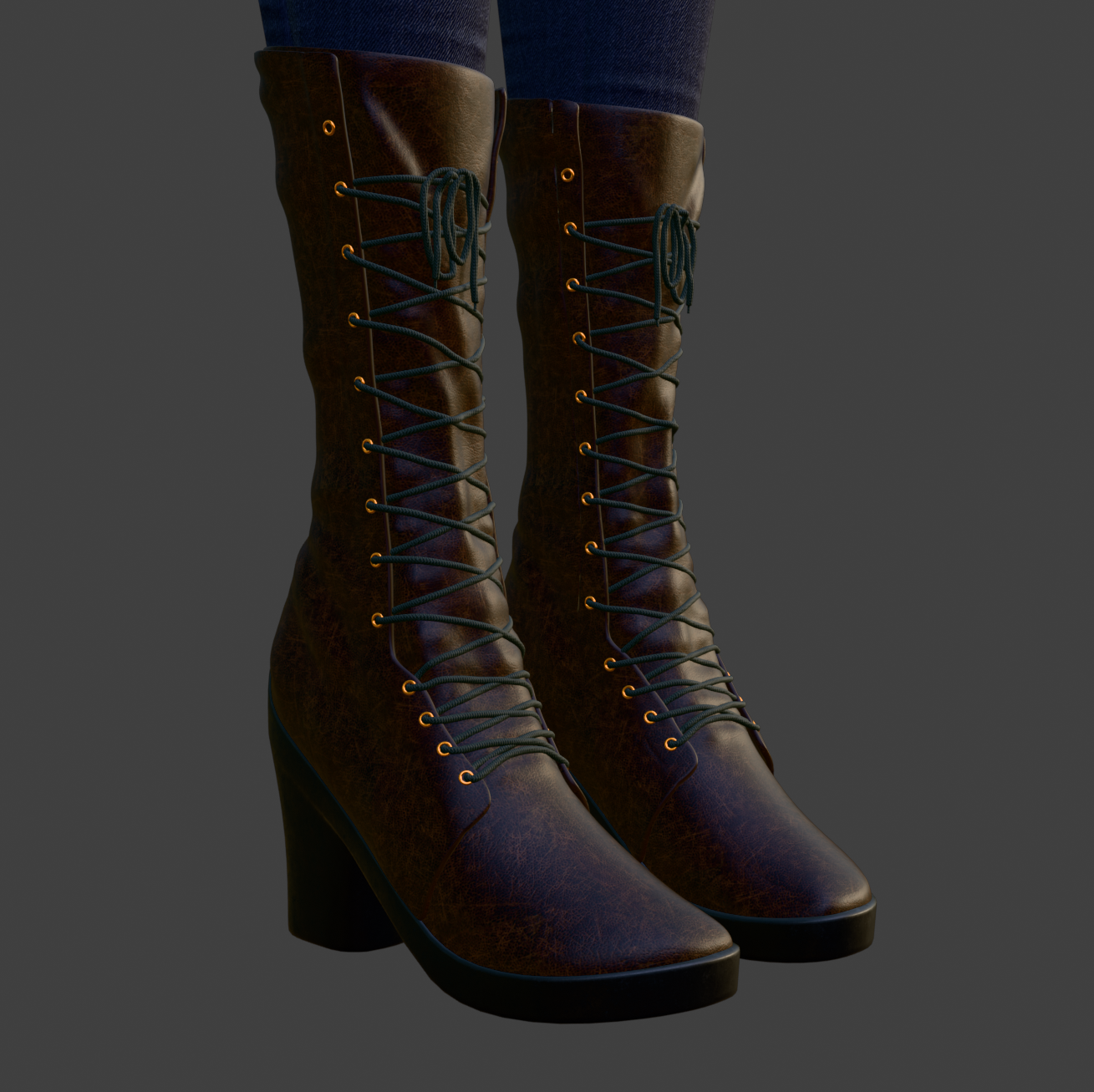
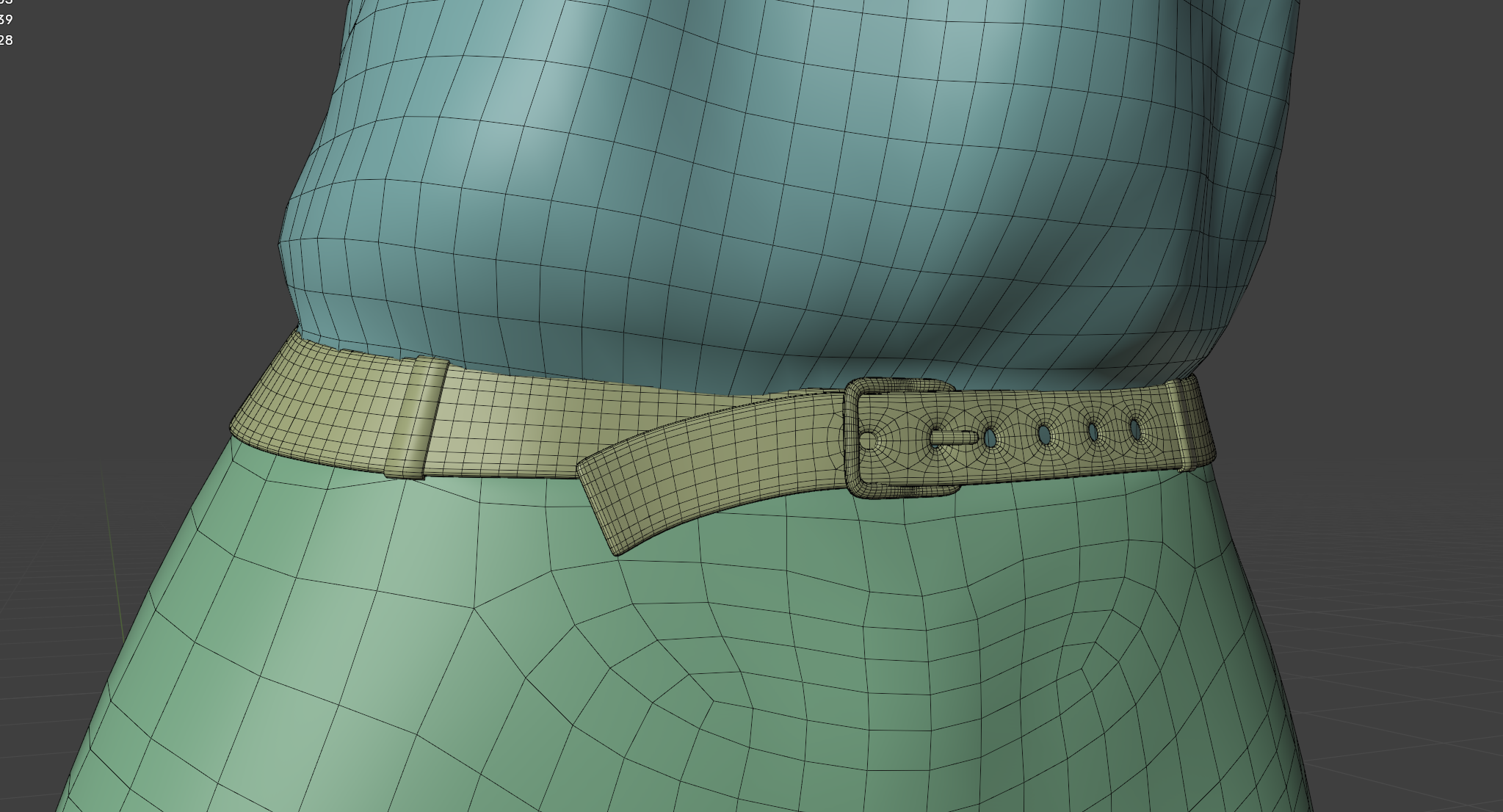
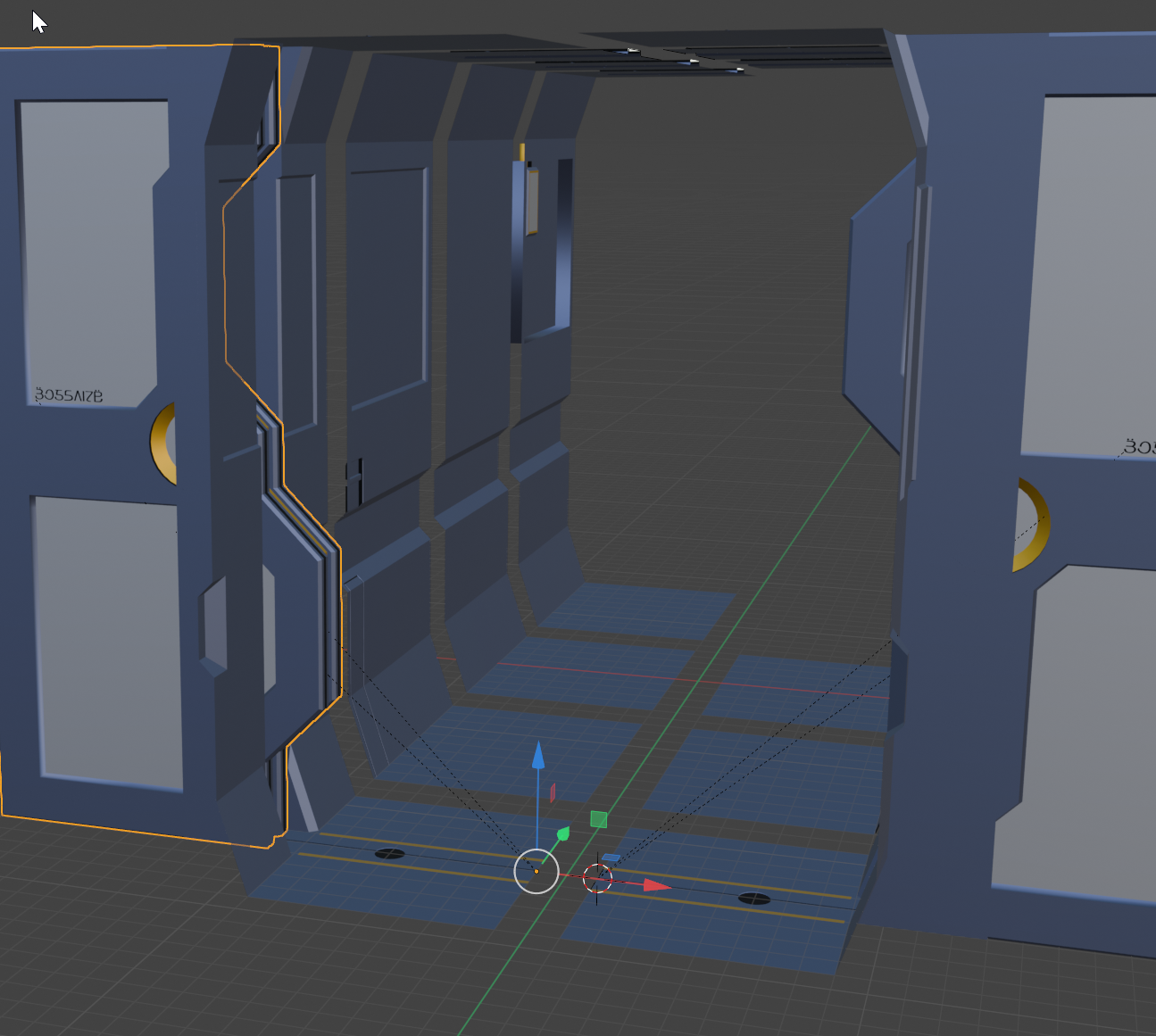
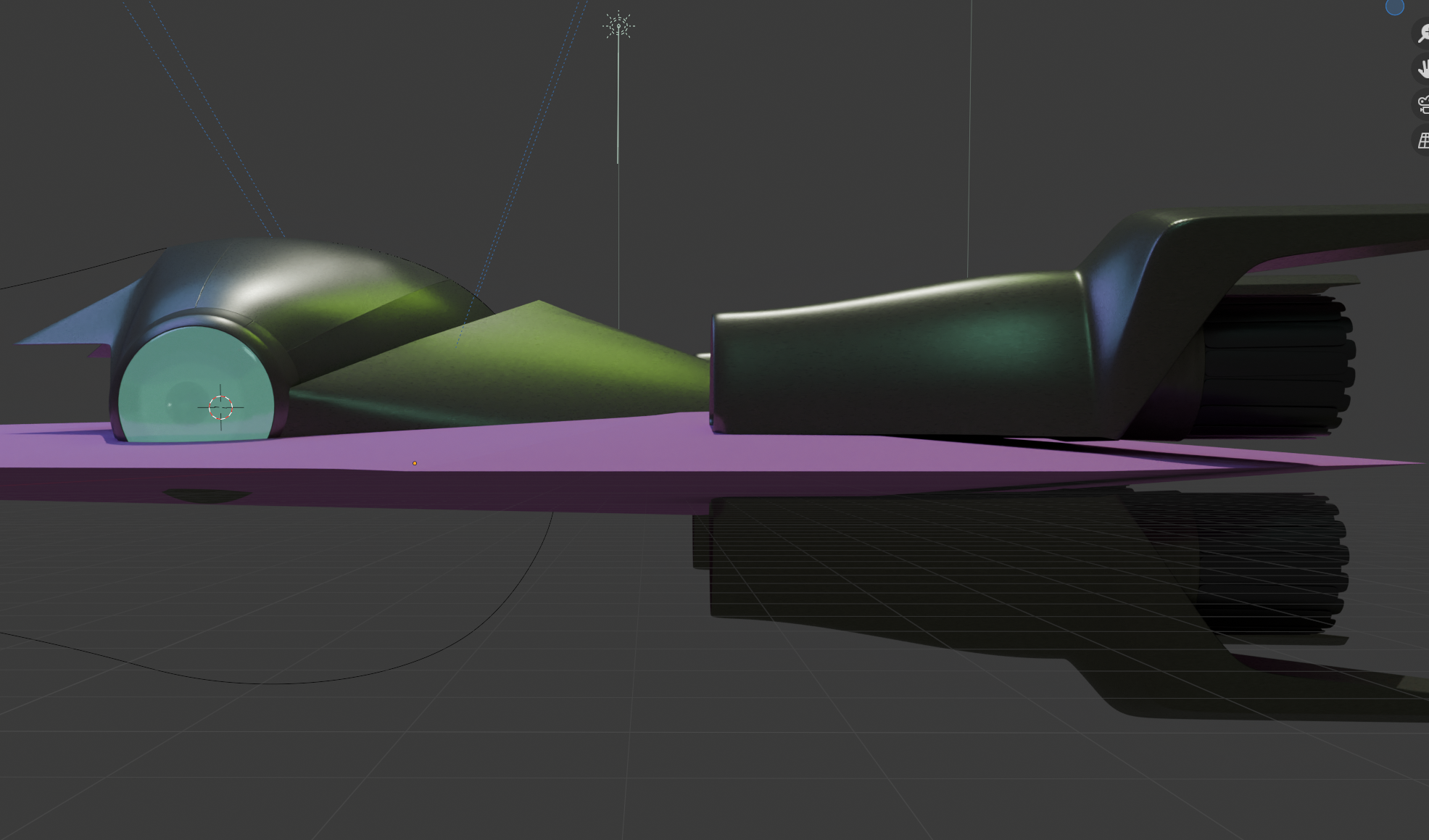
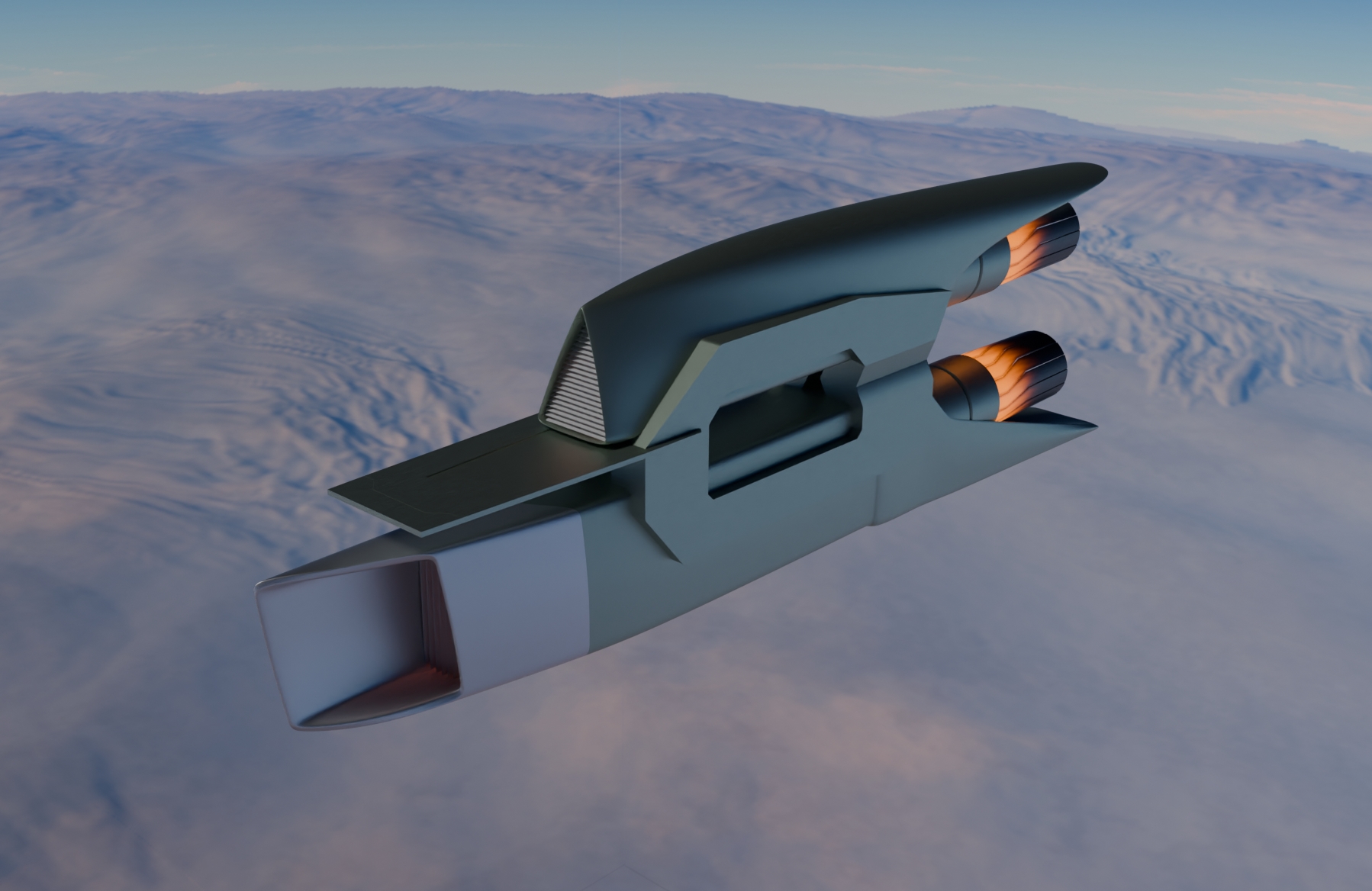
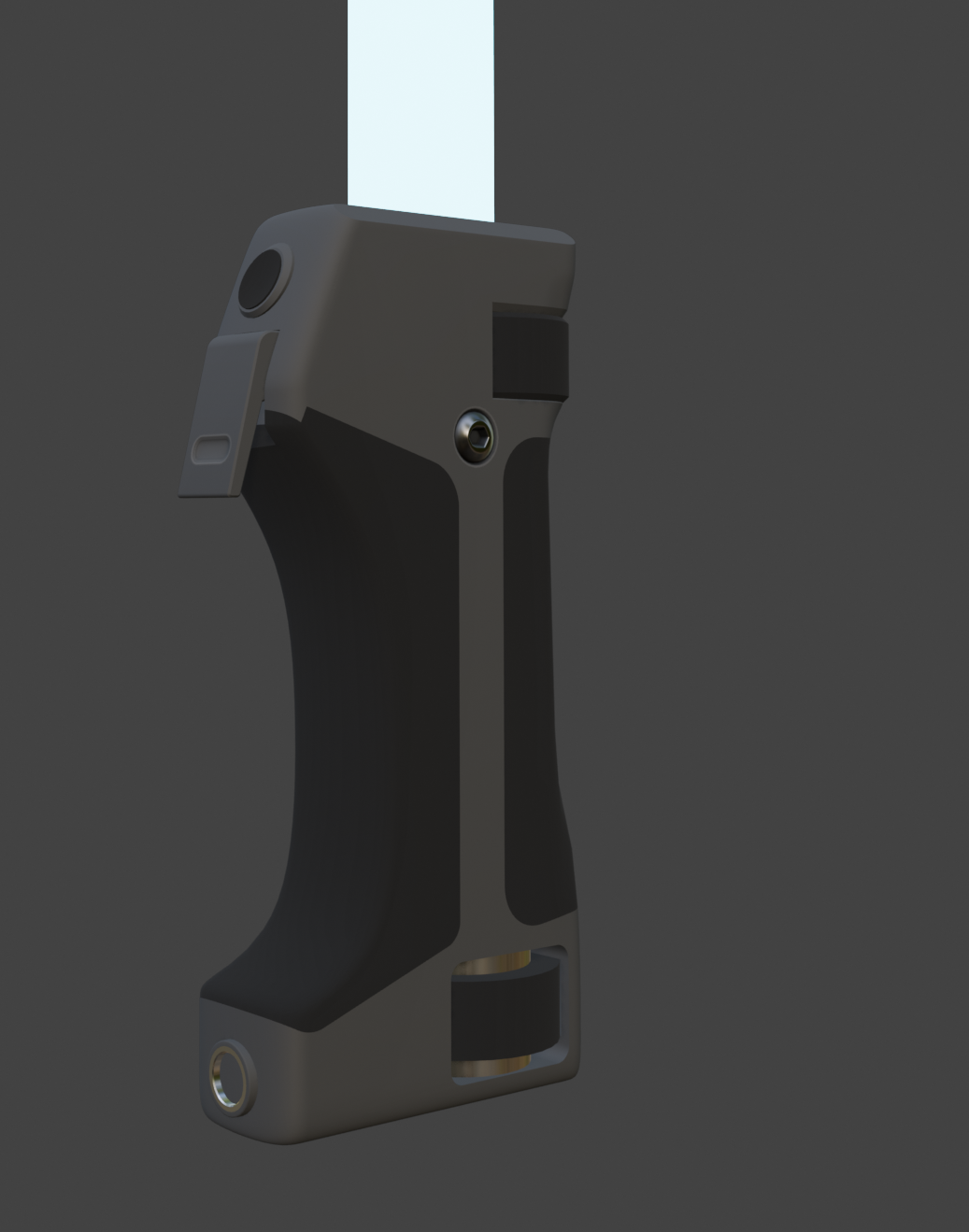
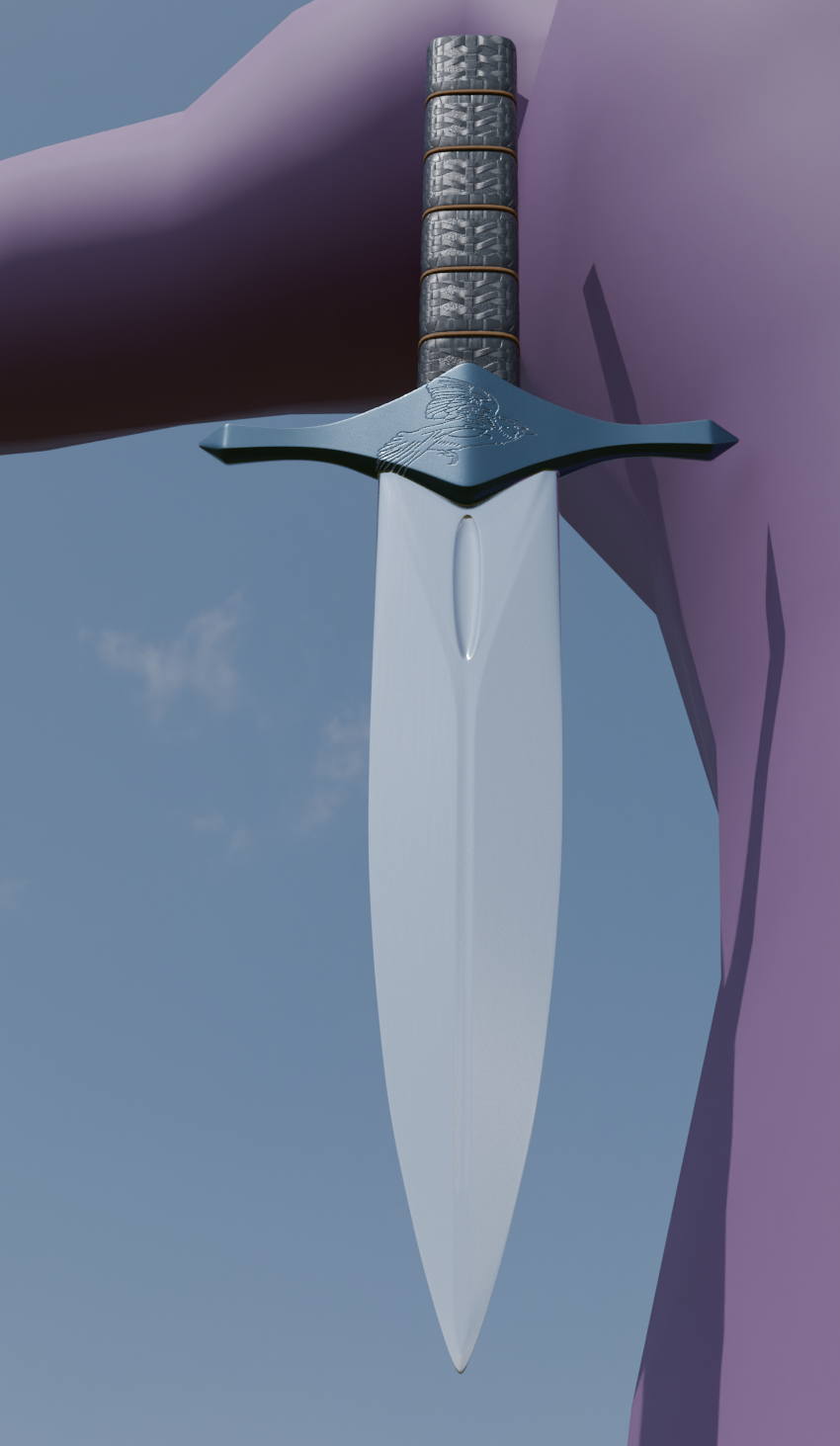
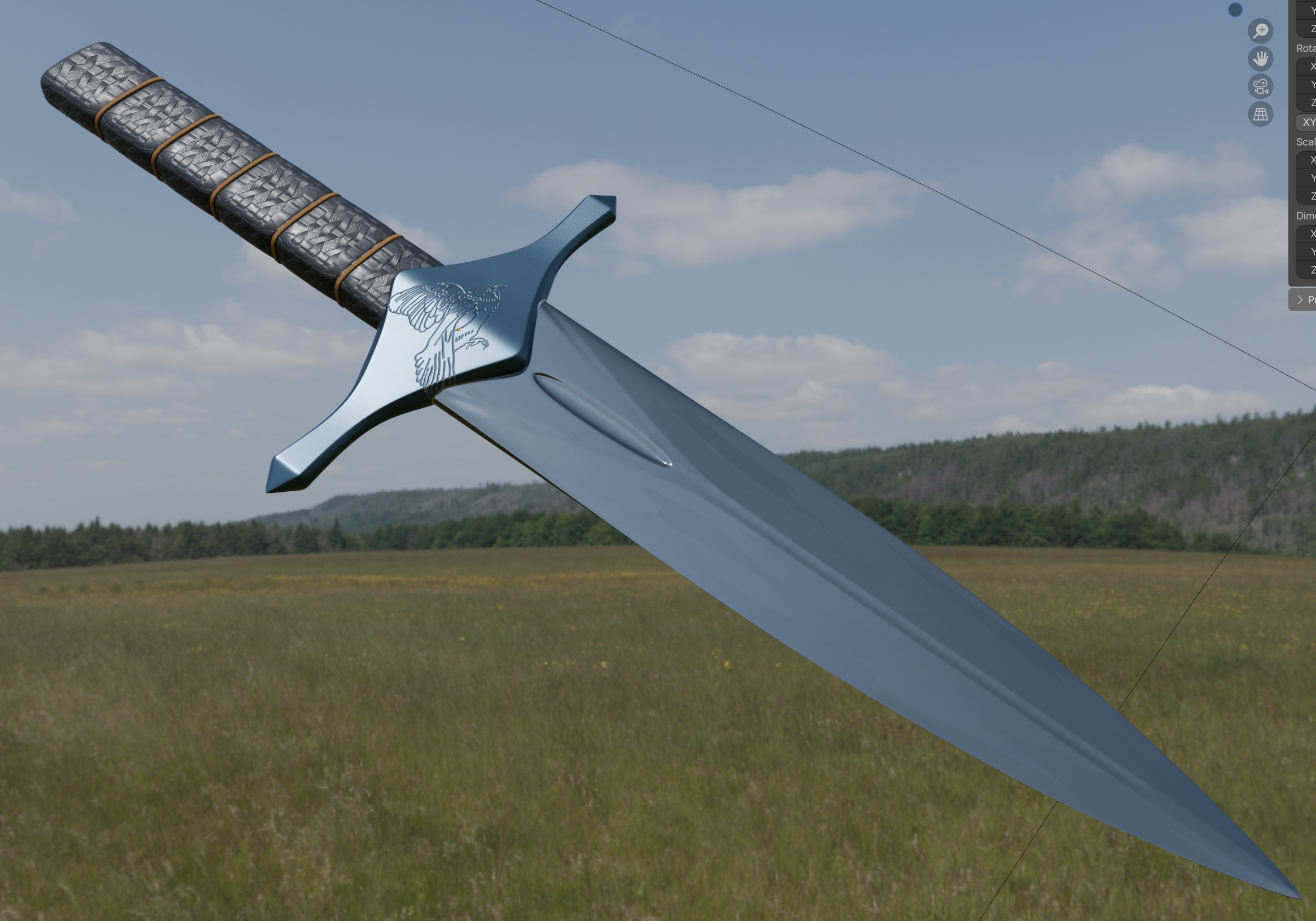
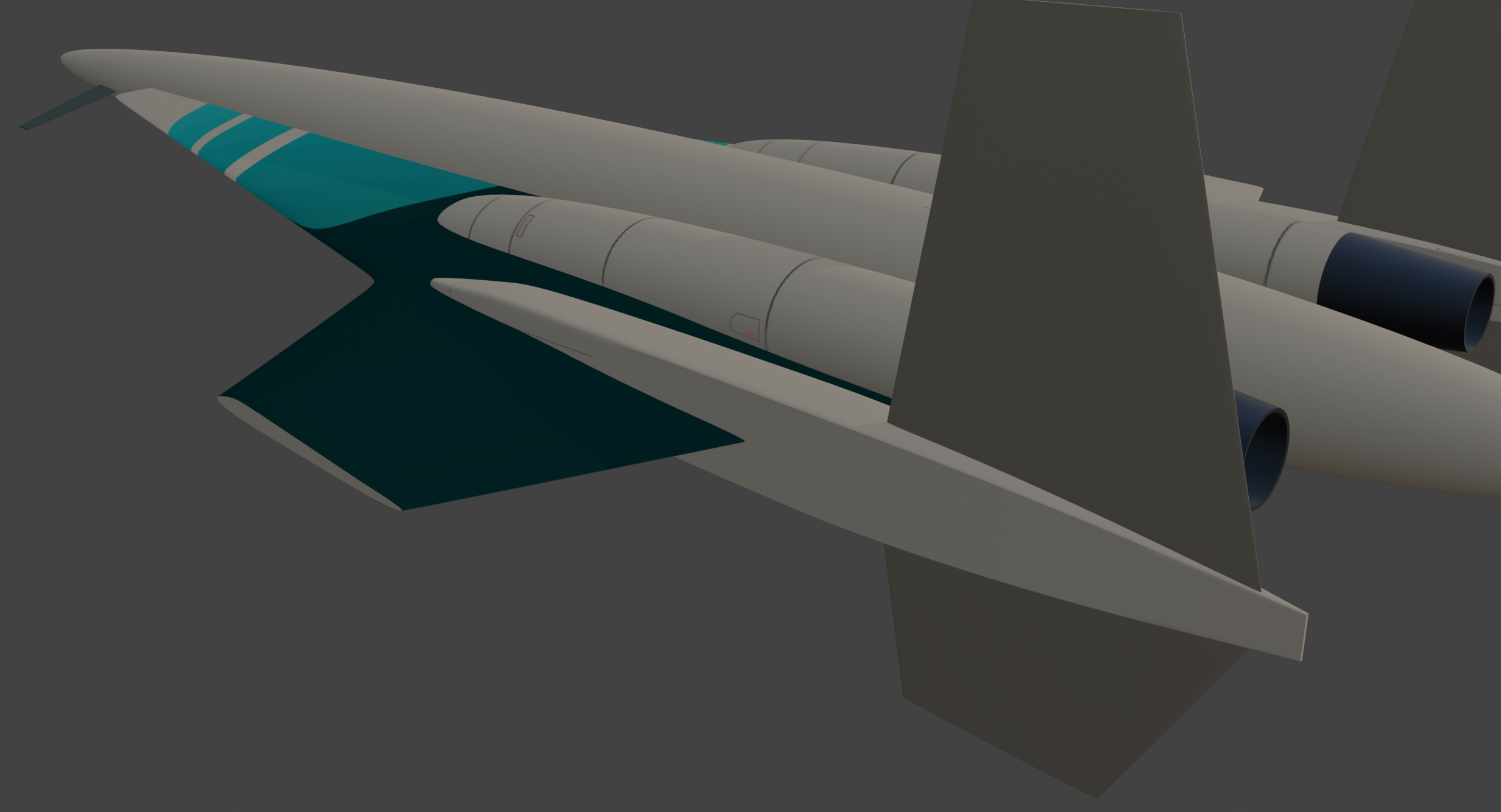
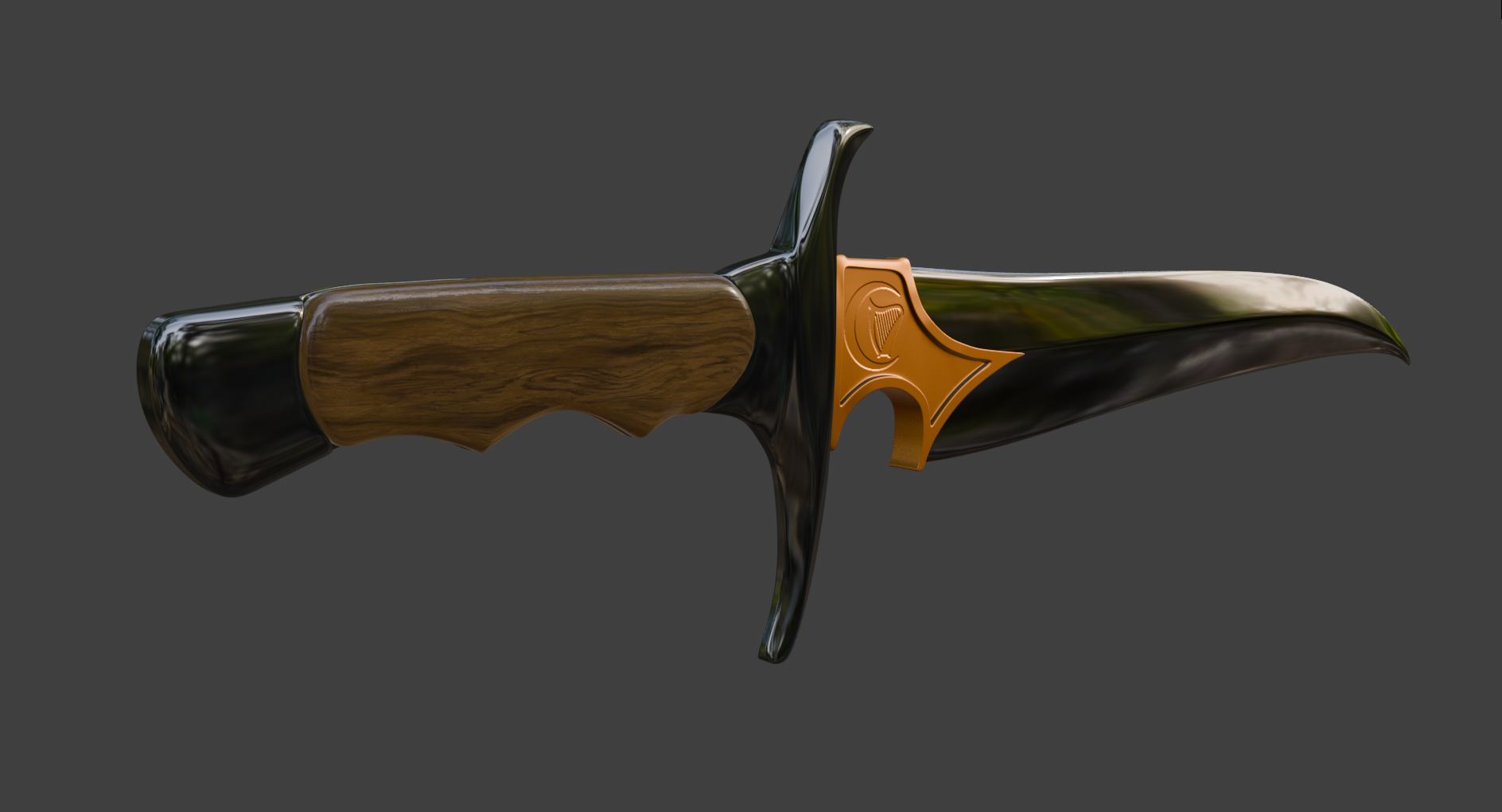
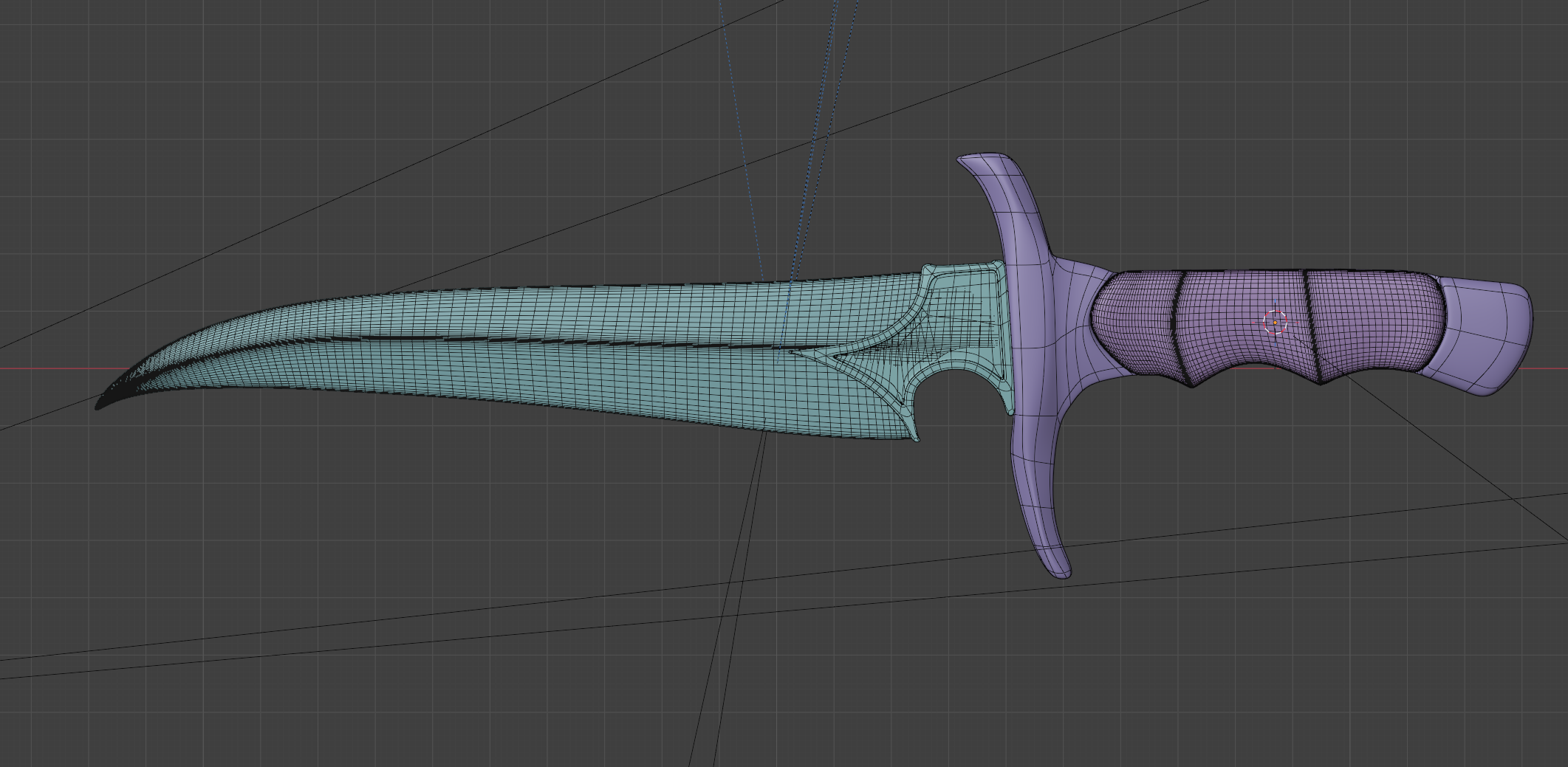
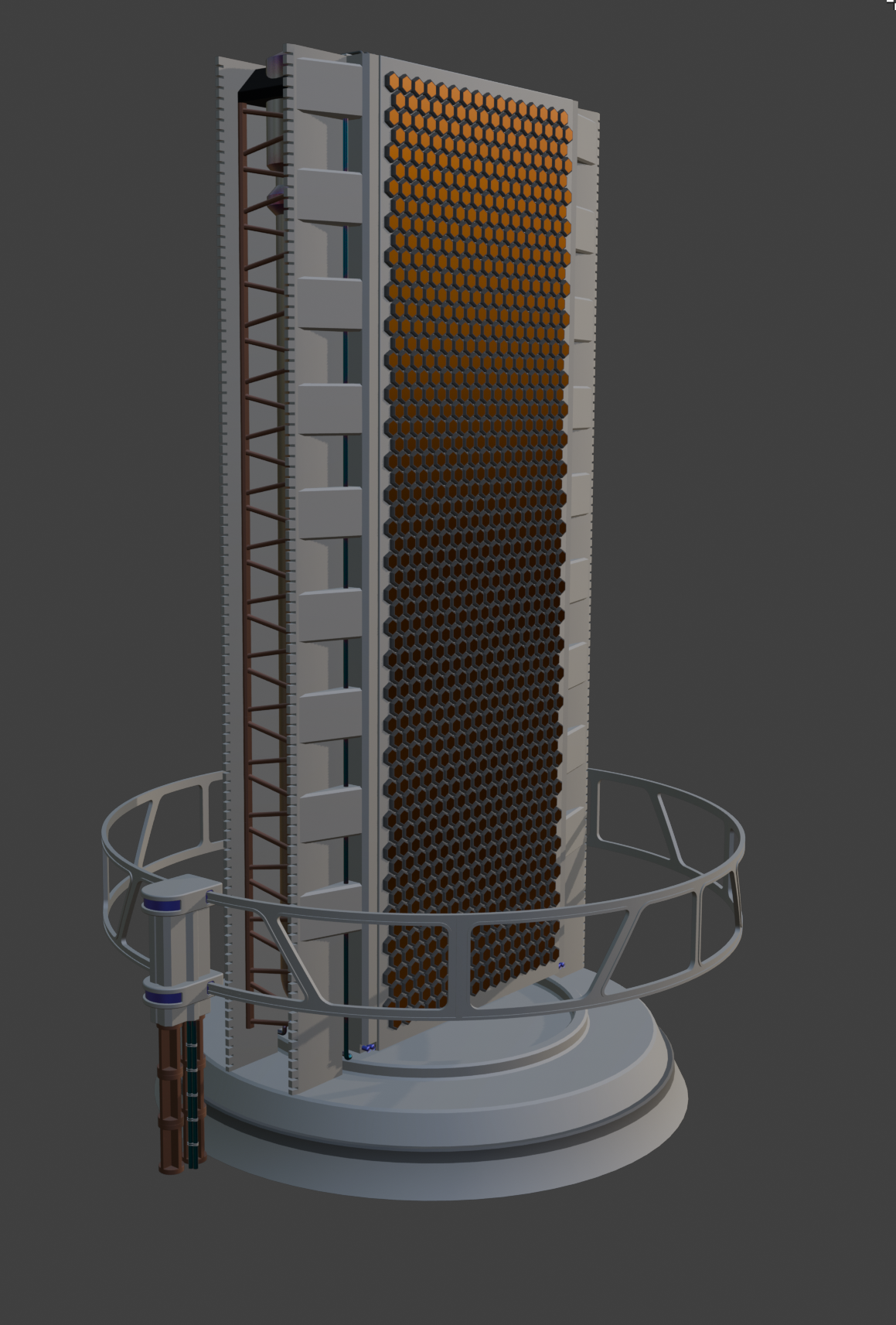
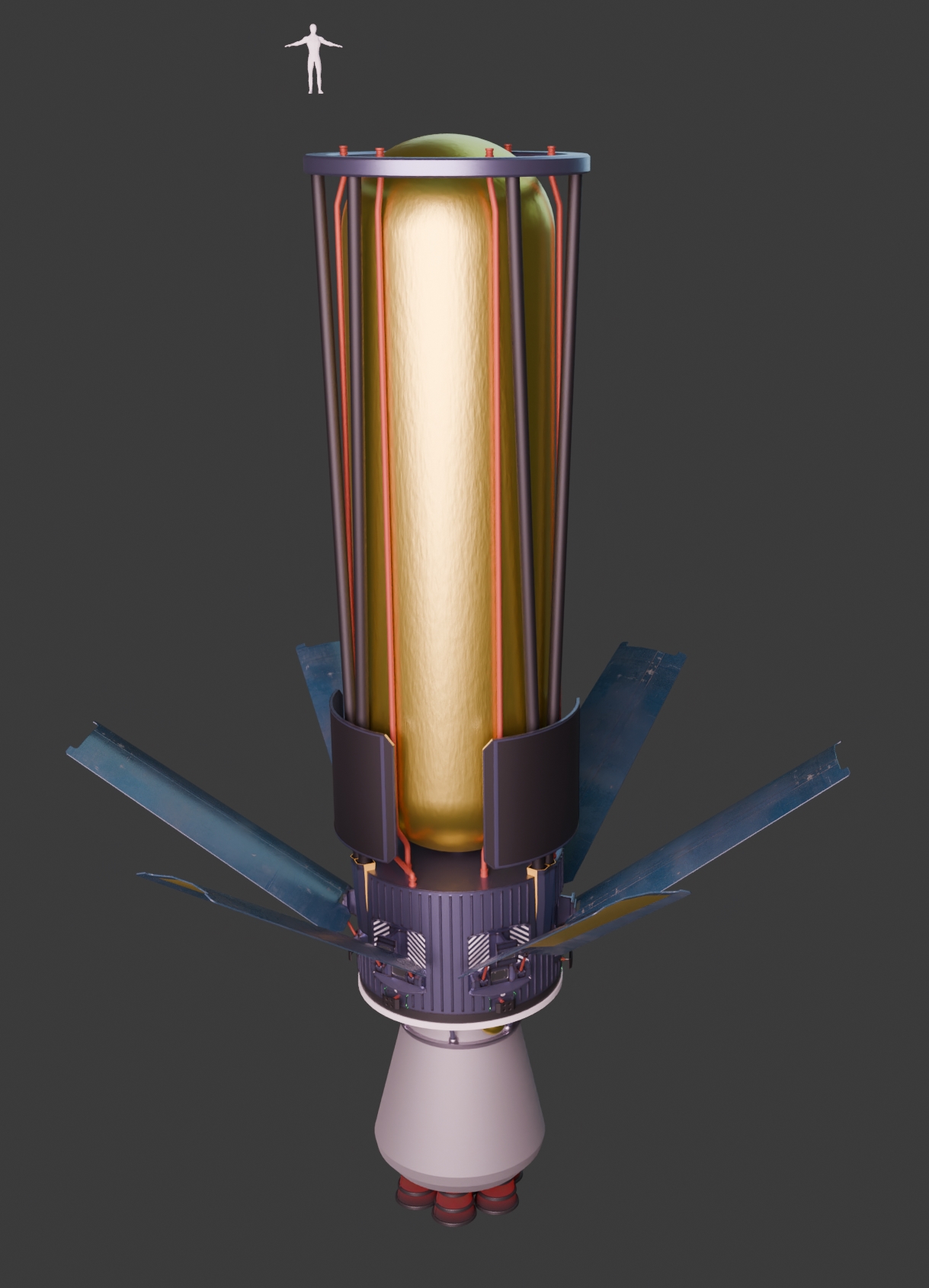
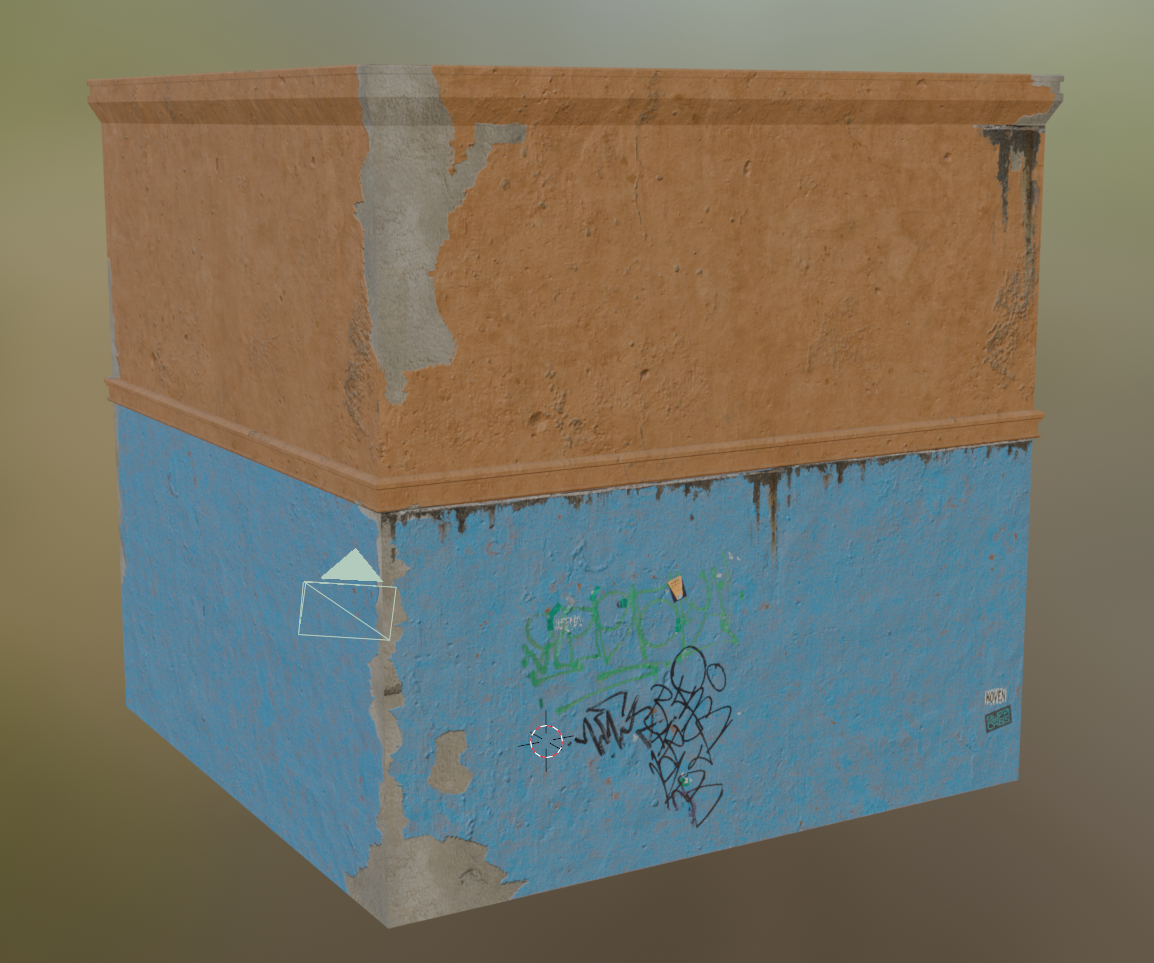
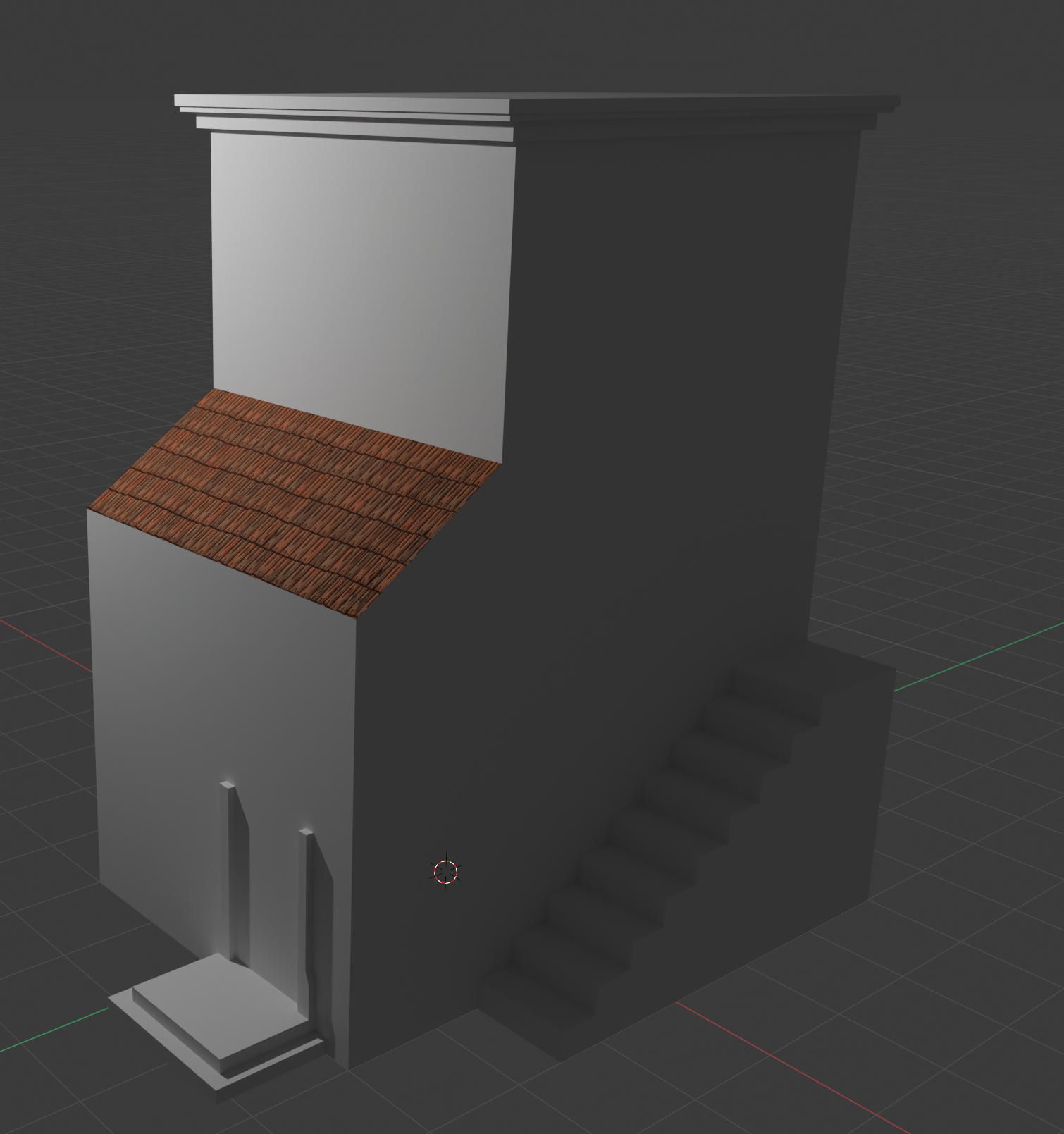
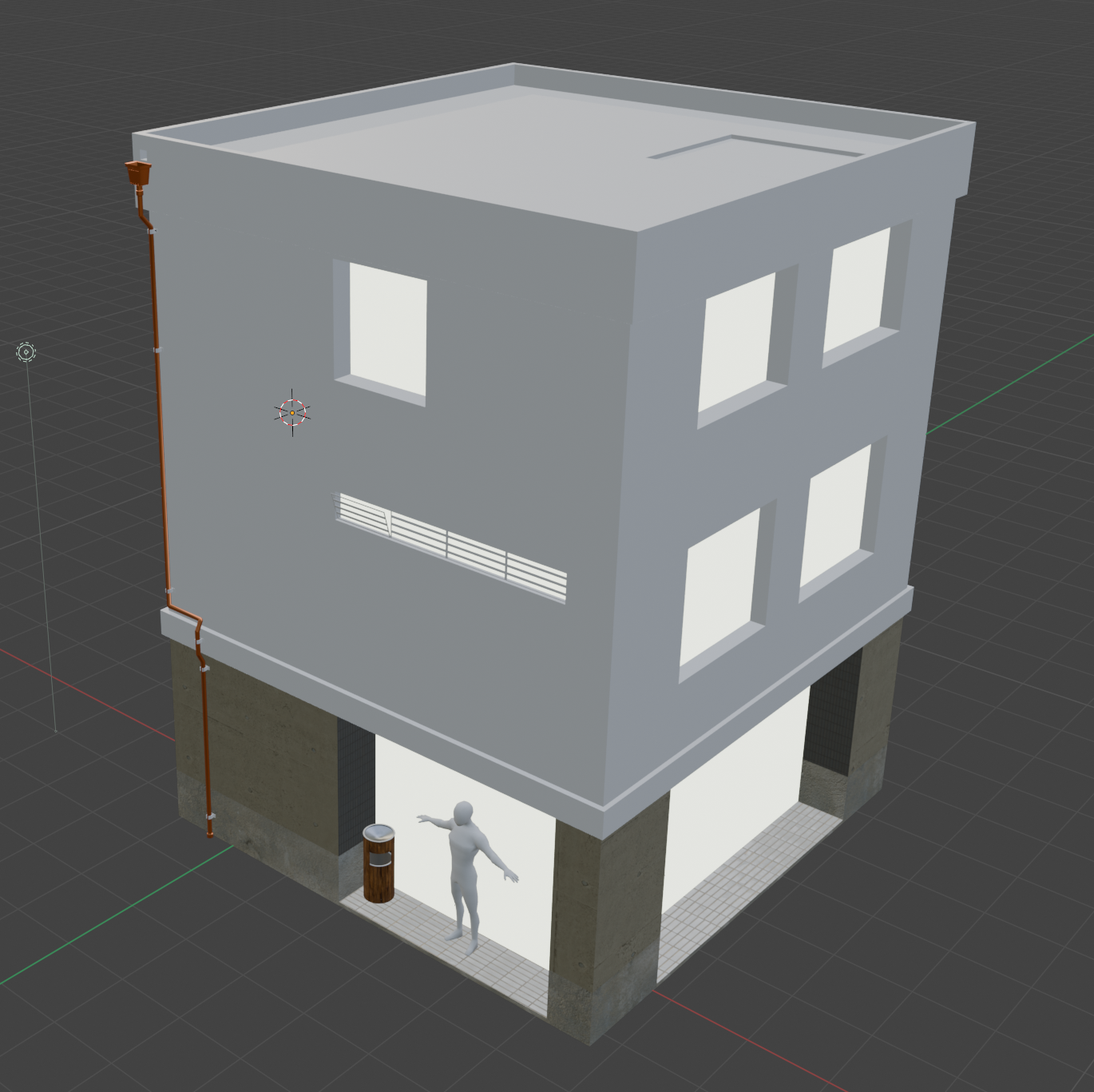
In mid 2024 I started learning Blender, and in 2025 it’s become a really major thing for me. I’ve learned a lot, and I’m starting to feel like I could actually build game-ready assets at a usable quality level!
Open Source Software
Myriad.ECS
Myriad.ECS is a high performance ECS built in C#. I use Myriad in Kessler, so it’s used every day and has a lot of useful features that I’ve discovered the need for.
Changes in 2025
- Lots of optimisations for speed and memory usage
Disposablecomponents receive a callback when an entity is destroyed- Hierarchical transform system
- Various internal optimisations for systems that walk entity relationships (like a hierarchy)
- Delegates support in map/reduce queries
- Queries which collect results into a collection
PhantomNotifiercomponents receive a callback when entity becomes a phantom- Resumable queries with cursors
HasComponentoverloads for checking multiple components all at once- Overloads for delegate queries that take no type params (filtered entirely by
QueryDescription) - Delegate chunk queries
- Added ability to enable/disable system groups
- Unsafe accessors for entities/components in chunks (useful for integrating with Unity job system)
- Delayed entity resolving from
CommandBuffer(add entities to a list when the buffer is eventually executed) - Tests, tests and more tests. I find it fun to drive up test coverage!
- Global chunk/archetype IDs
- Job safety system (basically per archetype locking). Designed to integrate with the Unity safety system.
LLamaSharp
LLamaSharp is a C# wrapper around llama.cpp. This is not my project alone, but I became one of the lead maintainers in 2023 and I’ve continued working on it this year.
Fox4
Fox4 is an experimental AI pilot for VTOL VR, built on the AI Pilot framework built by Strikeeaglechase. Fox4 was intended as a project to learn about reinforcement learning - the core idea was to learn air combat through self-play, in the same way as AlphaGo learned Go to a superhuman level. The pilot part is built in C#, that collects data logs and the Python part learns from those logs. Unfortunately I wasn’t able to train the pilots to maintain level flight, even with a lot of rewards tweaks. I’d like to come back to learning about RL sometime (maybe through this project, maybe through something else).
HandySerialization
HandySerialization is a binary serialization library I have developed for use in game networking, it provides precise control over byte-level and bit-level packing of data.
I did a lot of work for this in April when I was developing the encoding scheme for orbital data, the final result is a general purpose lossless predictive encoder for sequences of doubles, which can compress orbital data down to about 33% of it’s original size! No doubt next time I work on anything with multiplayer this library will see more features added.
Wasm2cs
Wasm2cs is a compiler from WASM to C# code.
This isn’t a serious project that I’m using for anything, but it’s a cool idea so I wanted to share it. Imagine if you could take a native C++ dependency, compile it to WASM and then import that into a C# project as plain old C# code. No native dependencies, no WASM engine dependency. I think this idea came about when I read about WasmBoxC which is a system for sandboxing bits of C code by compiling C -> WASM -> C. The final code is just normal C code you can use, but it’s sandboxed!
The end result of wasm2cs works for a simple program that writes "Hello World" to the terminal, but I never managed to get it working for more complex programs like the asyncified Python runtime for Serpent.
Interesting Stuff
Some other interesting things that I encountered in 2025 in no particular order:
- VRChat
- Bigscreen Beyond 2
- Banner of the Stars
- I’ve seen it before, but I rewatched the anime and reread all of the Manga this year. A couple of my Blender projects have been BotS ships.
- Anime Cels for sale
- Realsense D421
- Traditionally 3D cameras are very expensive, but this one is just £75!
- VTubers
- While watching tutorial videos on Blender for how to build a VRChat avatar I came across this video. That sucked me into the world of VTubers!
- Some favourites:
- Smellizabeth, currently rebranding to Aeri Andromeda. Gaming, Blender, art.
- Pikat. Art, gaming.
- Ellie_Minibot. Robotics engineer with an interest in AI.
- Vedal987. Develops the AI Vtuber Neuro-sama, fascinating AI project!
- Ironmouse. Obviously.